Join the 1 million+ independent landlords who rely on TurboTenant to create welcoming rental experiences.
No tricks or trials to worry about. So what’s the harm? Try it today!
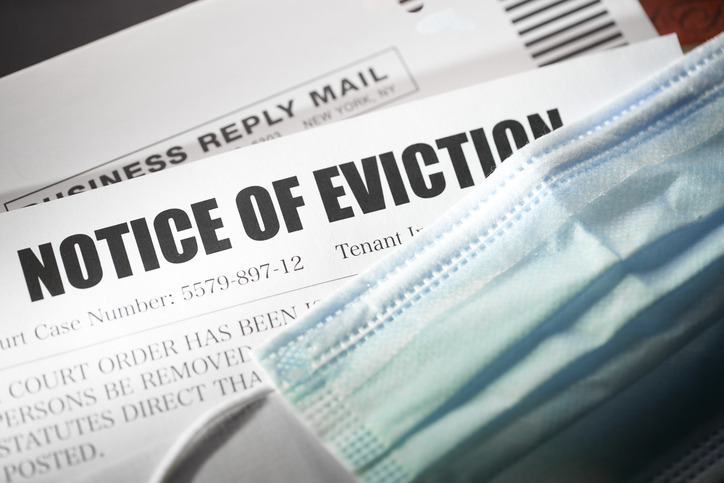
No landlord or tenant wants to go through an eviction. It requires both parties to invest time and money in a lengthy, complicated court process. Instead of dealing with long-term stress, eviction prevention is often the best option for everyone.
Today, you can prevent most evictions. When landlords practice thorough tenant screening, use online rent collection, and communicate with their tenants, they can protect their investments and their bottom lines. On the other hand, tenants who identify issues early and seek external assistance can prevent a single missed payment from escalating into a larger legal dispute.
In this guide, we break down best practices to help both sides of the rental agreement avoid court, including the benefits of landlord software and how to find current assistance programs.
In 2026, no one wins in an eviction lawsuit. Because of skyrocketing legal fees, stricter rules, and extended court timelines, the legal process can feel like a lose-lose situation for everyone involved.
In the past, courts issued judgments within a few weeks. But now, an eviction can stretch for months. And if you’re trying to recuperate rent debt from a tenant who’s not paying, you could be covering your mortgage, utilities, and other expenses out of pocket.
As a result, eviction prevention isn’t just a legal defense plan. Today, it’s one of the best ways to approach your entire rental business.
If you’re a landlord dealing with a difficult tenant, we recommend trying to avoid an eviction rather than pursuing one. Instead of asking how to evict your tenant, it’s better to reduce the risk from Day 1. That’s where property management software comes in. All-in-one software helps landlords stay organized, communicate early, track payments, and prevent disputes before they start.
Did You Know? Many states are creating Eviction Diversion Programs (EDPs). EDPs require landlords and tenants to attempt mediation or set up a payment plan before taking their case to court. While it may feel like an extra step, eviction prevention is smarter — and becoming the new standard.
All in all, rental owners who prevent evictions come out on top. They save time and money and protect their peace of mind.

Next, let’s discuss what you can do to actually avoid evictions. Eviction prevention starts way before a tenant misses their rent payment or you send them a Notice to Cure or Quit. In reality, it begins when they submit an application for your rental.
In 2026, most evictions don’t happen out of nowhere. Generally, landlords end up in this situation because they didn’t take tenant screening seriously enough.
For example, let’s say you glaze over red flags in the application, ignore the warning signs, and choose a tenant that doesn’t quite qualify. Months (and many headaches) later, you find yourself looking into eviction lawyers or services like EZ Evict USA.
When your income stream is on the line, giving an applicant the benefit of the doubt doesn’t work in your favor. Here’s how to prevent eviction, stay a step ahead of issues, and protect your investment:
First things first, make sure your tenant is in a good place to submit timely, full rent payments. Otherwise, you’re asking for financial issues down the line. Many landlords use the 3x rent rule, which requires an applicant’s gross income to be at least three times the monthly rent.
However, some states prohibit landlords from setting that standard. Make sure you understand the rules of your state so you can set an income ratio that is both legal and ensures your tenant can pay their rent on time each month without the bill overburdening them.
Beyond the basic background check, always review their past payment patterns. Keep an eye out for red flags, including:
Additionally, don’t forget to check their eviction and rental history. These details reveal how tenants behaved in the past — and may offer a future indication of how they’ll behave with you.
Pro Tip: Apply consistent tenant screening processes across all applicants to avoid a discrimination claim against you. Landlord software helps you stay compliant and mitigate risk.
Lastly, use a strong lease agreement to define the tenancy’s expectations from the start. Outline your rent policy to keep everyone on the same page, create a paper trail, and prevent misunderstandings. Always include the following details:
Finally, don’t leave anything up to interpretation. For example, if you don’t offer a grace period, we recommend stating that clearly. By defining your terms in writing, you make enforcement of the lease straightforward.
Great communication keeps everyone on the same page. In addition to proactively reaching out to tenants, it’s best practice to automate important messages. Efficient landlords use rent collection software with automated payment reminders and follow-ups to prevent small oversights.
Ultimately, eviction prevention is a long game that begins when reviewing rental applications — not a last resort when something goes wrong. You may not be able to predict every issue, but you can mitigate risks through tenant screening, detailed rental agreements, and clear communication.
Instead of waiting to react to problems, these steps can help you stop them before they start. The benefits? Reduced disputes, lower turnover, and predictable cash flow.

Once you sign your lease, one of the best ways to prevent evictions is to streamline your tenants’ monthly payments. After all, many tenants don’t miss payments on purpose. They forget to coordinate a cash drop-off, mail their check too late, or misunderstand due dates.
By eliminating these extra steps, you remove friction and help your tenants pay on time. That’s where automatic rent payment tools tilt the field in your favor. Here’s what to expect when you use a convenient digital payment platform like TurboTenant:
When tenants don’t have to worry about writing out a paper check or running to the ATM for cash, you boost your chances of them paying on time. Beyond eviction prevention, all-in-one property management software like TurboTenant also handles everything from tenant placement to daily tasks.
Ultimately, online tools bring structure and consistency to your rent payment workflow. They allow you to take control of your income stream and provide a modern, seamless experience for tenants.
Sometimes, the unexpected happens. Even your best tenants may end up unable to pay their rent in full. So what should they do?
Here are the best practices for tenants to follow if they need help paying rent:
Don’t avoid the problem by ignoring your landlord’s calls and messages. Instead, face it head-on and speak up early. Instead of waiting for late fees and a formal notice, contact your landlord as soon as possible. Transparent communication is one of the best ways to stop the issue from escalating. Your landlord will likely appreciate the warning and be more open to negotiating a solution.
Next, consider offering a structured plan for partial payments. Tell your landlord what you can pay and when, and detail the amounts and dates. Don’t make empty promises. Make sure you can actually fulfill your commitment to avoid further issues. When you agree to a realistic payment plan, create a written agreement and sign it together.
Check to see if your state or county offers targeted rental assistance programs, including:
Usually, local programs help tenants who are struggling with unemployment, medical emergencies, or a temporary lapse in income. To learn more, reach out to your local housing authority or call your area’s 211 referral service to find a rent relief program.
We understand that falling behind on rent can feel stressful. However, taking these steps can help you improve your situation while you get back on your feet.
Here’s where to find rental relief program options for tenants in 2026:
Start by checking nationwide nonprofits, such as St. Vincent de Paul and The Salvation Army. These groups offer consistent short-term rent relief grants to help tenants pay rent debt and avoid evictions. Apply early to help boost your chances of receiving funds, which typically come as one-time payouts.
Check whether your county has a Rapid Rehousing or Housing Stability program to prevent eviction. In many cases, these initiatives help you cover rent debt, security deposits, and even future rent payments.
Call 211 or run a quick online search for “housing stability fund” or “eviction prevention rental relief program” near you.
Depending on your area, your court may automatically refer you to a mediation service before starting an eviction case. Many legal aid organizations offer free or affordable assistance for educating tenants, negotiating repayment plans, and finding anti-eviction funds.
Keep in Mind: If you’re doing online research, make sure you’re looking at current options. Avoid expired CARES Act pages from 2021–2022. Instead, prioritize local stability funds or Emergency Rental Assistance (ERA) programs. We also recommend calling your local housing authority to make sure the program is legitimate before providing any sensitive information.

In 2026, many courts recommend eviction prevention before a case begins. Your jurisdiction may require landlords and tenants to go through an Eviction Diversion program. These steps may include:
Instead of viewing legal diversion as a delay in an already-long process, think of it as an opportunity. In the long run, they help both parties save time, avoid expensive legal fees, and reduce stress.
We hope this guide helped you understand how to prevent eviction. By combining detailed tenant screening with online rent collection and legal mediation, you may be able to find a practical, affordable solution that benefits everyone.
Landlords, sign up for your free TurboTenant account to protect your investment at every step and avoid evictions from the start.
Tenants, ask your landlords about using TurboTenant to streamline your monthly rent payments.
If you’re a tenant, you can typically stop an eviction by complying with your landlord’s Notice to Cure or Quit by paying the balance within the stated timeline.
Yes, there are rent programs available at the local level. Find more information about state and county eviction-prevention programs in the guide above.
It can, but not always. This depends on your state’s law and the terms of your lease. Check your local regulations and read through your rental agreement for specific information. We also recommend speaking with a trusted lawyer in your area.