


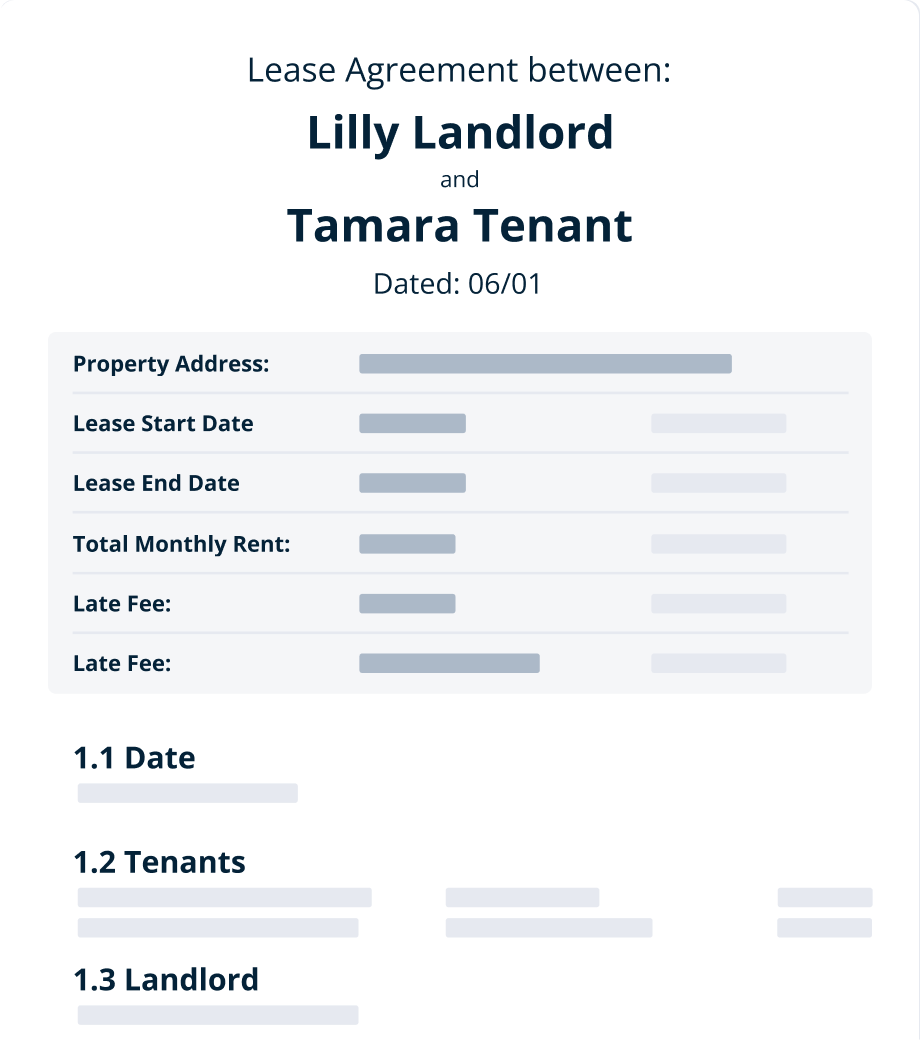
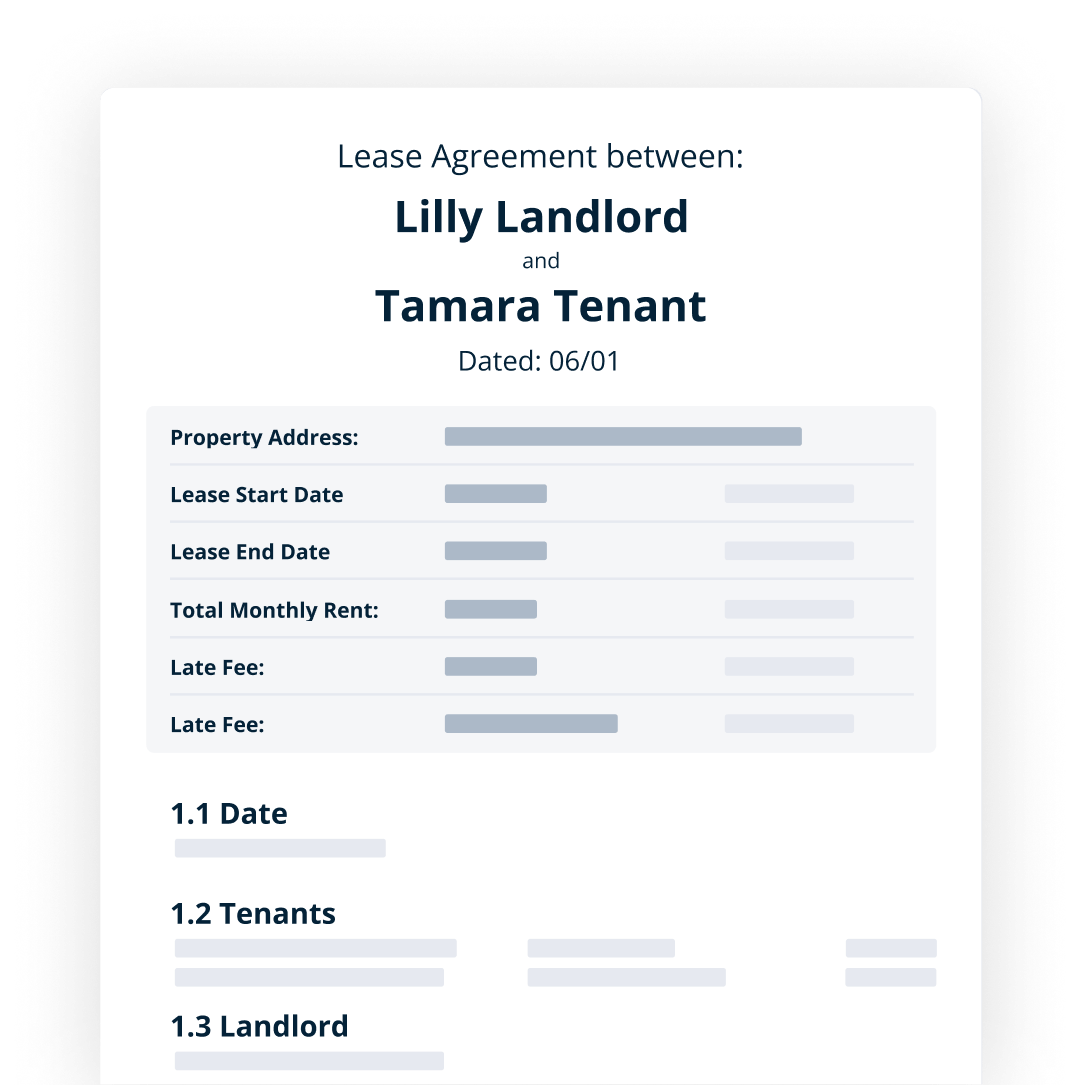
A room rental lease agreement is a legally binding contract between a landlord and a tenant renting a spare room in the landlord’s residence. It outlines rent, utilities, tenant responsibilities, and household rules. By setting expectations in writing, both parties clearly understand and agree to their obligations before the tenant moves in.
Room Rental Agreements By State
11 Essential Details to Address in Your Agreement
1. Tenant Name + Lease Term
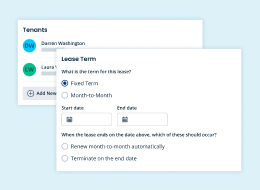
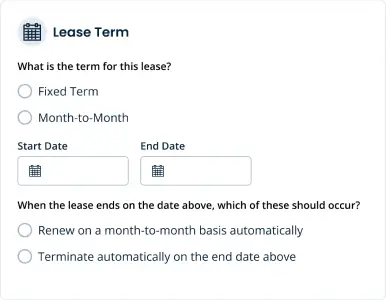
List the full legal names of the tenant(s) and the landlord, along with the agreement’s start and end dates. Specify the duration of the agreement to formally define the living arrangement’s length and renewal terms from the outset.
Did you know? According to a 2022 Bureau of Labor Statistics study, 59.6% of U.S. leases were fixed‑term agreements, and 31.8% were automatically renewing monthly contracts. The remaining 8.6% covered other durations.
2. Property & Room Description
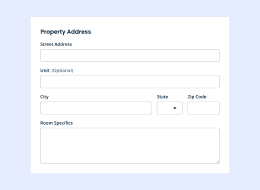
Define the full address of the property and clearly describe the specific living space the tenant will occupy. Specify which rooms, shared spaces, and amenities the tenant has access to. Be precise; unclear terms can lead to uncomfortable situations and disputes.
Pro Tip: House hacking is the practice of generating rental income by leasing part of your primary residence to a long-term tenant or short-term guest.
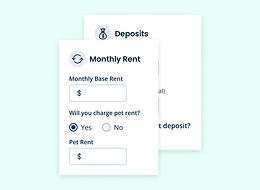
3. Rent Amount, Security Deposit, and Payment Terms
Specify the exact monthly rent amount and its due date. Include the security deposit amount, specify where and how it will be held, and outline the conditions for its return. Clarify payment methods, grace periods, and late fee policies to encourage tenants to make consistent and timely payments.
Did you know? According to a 2023 Zillow housing trends report, 87% of renters paid a security deposit. It typically ranged between $500 and $999.
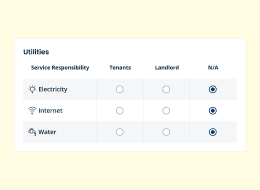
4. Division of Utilities
List all shared utilities (water, electricity, gas, internet, and any others) and clearly explain how the landlord and tenant will split the costs. Define due dates and payment methods, just as you would with rent, to ensure the room renter pays bills on time and without disputes.
Pro tip: In shared U.S. households, 56% of residents split energy bills evenly, but nearly one-third report disputes over utility costs, according to Home Energy Club.
5. Guests & Visitors
Set clear rules for guests, including whether the tenant is allowed to have overnight guests and the maximum number of nights allowed. Shared spaces mean that a renter’s guest is also the landlord’s guest. Set boundaries that keep everyone in the home comfortable, safe, and accountable.
Did you know? A 2021 Rent.com survey found that among shared households, 5.2% of respondents cited conflicts over roommates having too many guests.
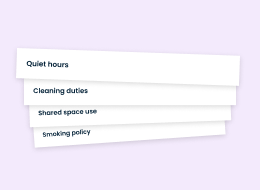
6. House Rules
Set expectations for quiet hours, cleaning duties, shared space use, smoking, pets, and other household rules. Clear guidelines promote accountability, reduce conflicts, and help maintain a comfortable living environment between the live-in landlord and tenant.
Pro tip: Among those living with roommates, 37% cite conflicting cleaning habits as their top pet peeve, according to the National Apartment Association.
7. Common Area Access
Identify which spaces (such as living rooms, kitchens, and balconies) are communal. Outline rules for their use, including cleaning duties, storage privileges, and access times as needed. Ground rules help prevent conflicts and ensure shared areas remain clean and available to both parties.
Did you know? According to the Pew Research Center, nearly 32% of American adults live in shared living housing, meaning at least one adult resides with another adult who is not their spouse or partner.
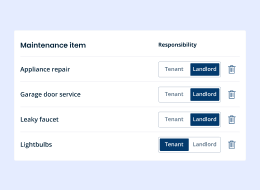
8. Maintenance and Repairs
Clarify who is responsible for repairs and the maintenance of outdoor areas, such as the yard, driveway, or sidewalk. Because the landlord lives on-site, outline which issues the tenant should report directly and identify situations that require immediate notification to the landlord.
Pro tip: Coordinating maintenance can be made easier by outsourcing repair requests, vendor scheduling, and progress tracking with property management software.
9. Subletting and Subleasing
State whether subletting or subleasing is permitted and outline the process if a tenant wants to rent out their room. Specify if the tenant must get the landlord’s approval and whether any other existing renters must agree to the new roommate before moving forward.
Did you know? In New York City, subletting without the landlord’s consent can result in the landlord terminating the lease entirely, even if the original renter pays rent on time.
10. Conflict Resolution
Living with others can lead to disagreements, so it’s essential to establish a process for resolving conflicts. Encourage direct communication first, and then consider mediation if necessary. Specify when you, the landlord, will step in to address issues to help maintain a tension-free living environment.
Pro tip: According to a 2008 ScienceDirect survey, conflict among housemates is common. 50.1% of women and 44.1% of men reported that they experienced it either frequently or occasionally.
11. Lease Termination & Move-out Notice
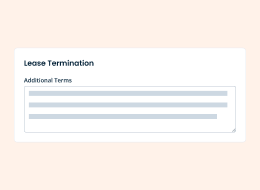
Outline the steps a tenant must follow to terminate their agreement, including the required notice period. Specify written notice requirements, final rent responsibilities, and move-out expectations to ensure a seamless transition.
Did you know? Tenants can legally break leases for a number of reasons, including uninhabitable living conditions, landlord harassment, military deployment, and safety concerns.
A Note on Room Rental Agreements
Typically, room rental agreements function like traditional lease agreements. They’re between landlords (homeowners) and tenants (people renting a spare room). These are the types of agreements TurboTenant will help you generate.
On the other hand, a roommate agreement will help you set the ground rules between roommates living together in a house. We have included elements of both into this document. You can add supplementary pieces not covered by a typical room rental agreement, like house rules, into the additional terms when building your room rental lease agreement, if needed.

Watch the video
Lease vs. Rental Agreement: What’s the Difference?
Create Your Room Rental Agreement
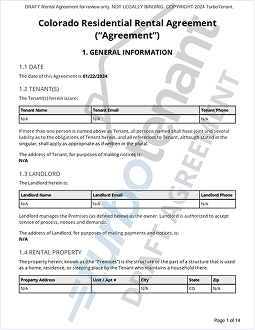
Create your state-specific room rental agreement with TurboTenant today to rent out the extra space in your home with confidence. Our legally reviewed templates make it easy to create, customize, and send leases out for signatures in just minutes.
Join the 1 million+ independent landlords who rely on TurboTenant to create welcoming rental experiences.
No tricks or trials to worry about. So what’s the harm? Try it today!
