


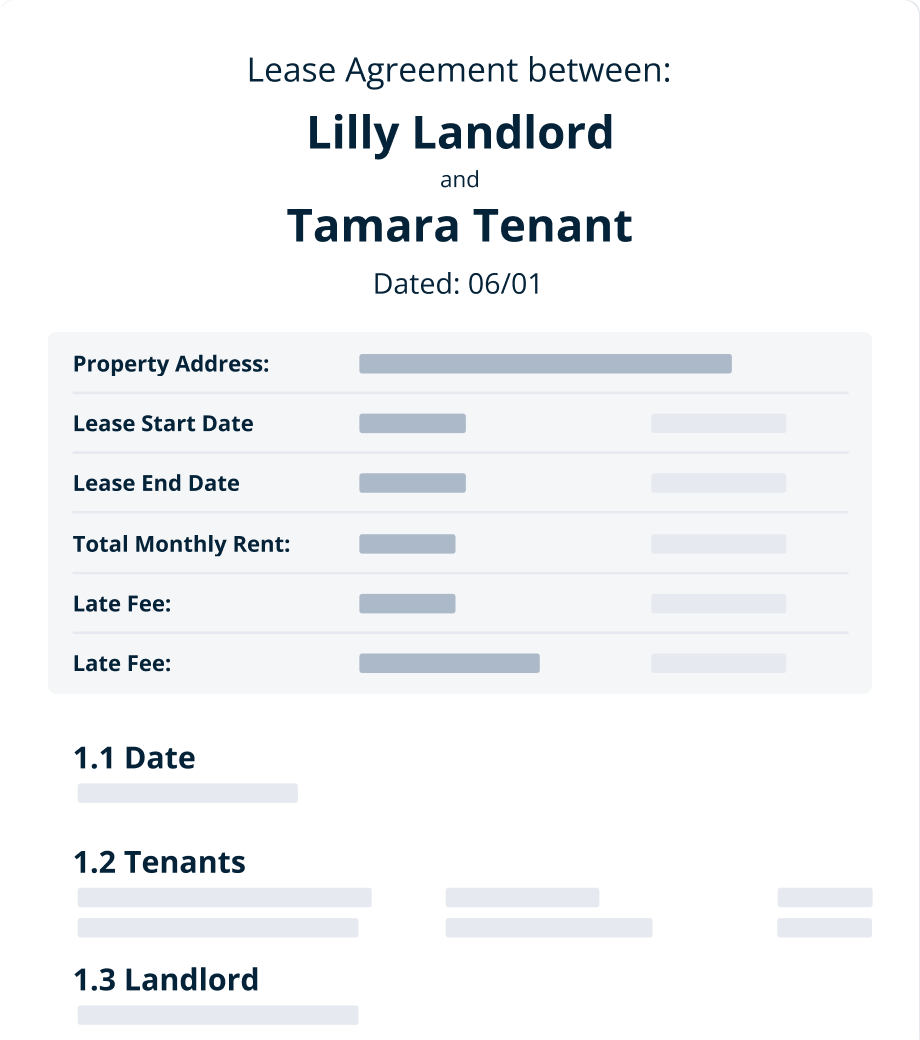
A standard residential lease agreement is a fixed-term rental contract between a landlord and tenant that outlines rent, responsibilities, and property rules. It provides legal protections for both parties and sets clear expectations throughout the lease, which typically lasts a year.
Lease Agreements By State
How to Create a Residential Lease Agreement in 12 Steps
1. Enter Basic Information
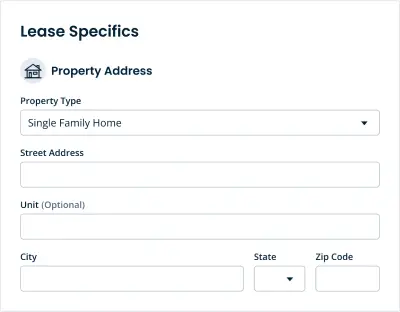
Begin by listing the full legal names of the tenant and landlord, along with their current addresses and contact details. List the rental property’s full address to ensure the agreement accurately reflects exactly which property the tenant will inhabit.
Did you know? With landlord software, you can store tenant and property details securely, auto-fill them into lease agreements, and reduce errors that could cause issues.
2. Include Required Landlord Disclosures
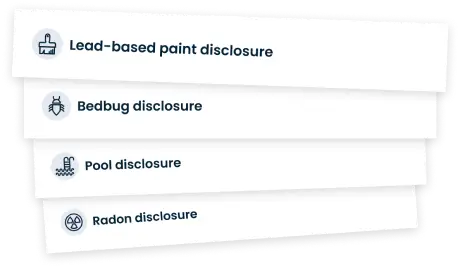
Each state has specific disclosures landlords must provide to tenants, such as mold, bedbug, or flood risk notices. Federally, all landlords must disclose known lead-based paint hazards for properties built before 1978. Always include all required landlord disclosures along with the lease to stay compliant and transparent.
Did you know? California has 21 required landlord disclosures, whereas Wyoming only has two.
3. Define Rent Amount & Payment Terms
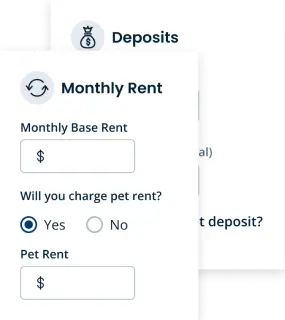
State the exact rent amount, the due date, and whether a grace period applies. Outline late fees, the timelines they apply to, and how the landlord will assess them. Define all acceptable payment methods, such as cash, check, ACH, or credit card.
Did you know? According to a 2025 Apartment List study, “84% of renters prioritize online rent payments.”
4. State Security Deposit Amount & Details
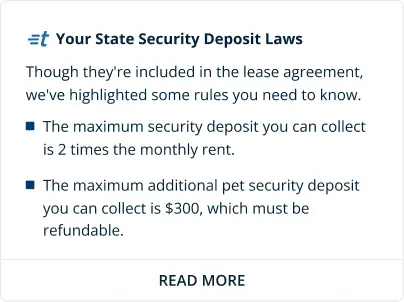
Specify the security deposit amount in accordance with the state’s limits and requirements. Note where the landlord will hold the deposit, whether it earns interest, and the conditions for its return. Clearly explain the purpose of the security deposit to avoid misunderstandings.
Did you know? Roost’s 2023 security deposit survey found that 59% of renters don’t expect to receive their full security deposit back at the end of their tenancy.
5. Discuss Property Maintenance Duties
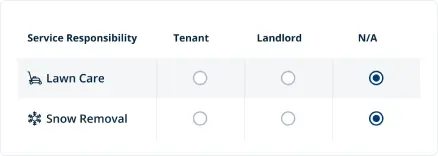
Outline how tenants should report maintenance issues to the landlord, including the preferred contact method. State the landlord’s duty to perform repairs and any notice periods required before work commences. Clarify the tenant’s upkeep responsibilities to ensure the property remains functional and habitable.
Did you know? Property management software can coordinate maintenance automatically by handling tenant repair requests, vendor outreach, and project tracking.
6. Address the Pet Policy
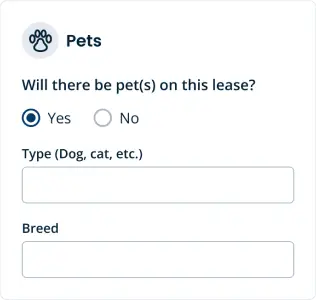
State whether pets are allowed and, if so, outline any pet rent, deposits, or related fees. Include rules on types, sizes, or breeds allowed at the rental property. Clarify that service animals and emotional support animals are exempt from pet restrictions under federal and state laws.
Did you know? Among pet-friendly rentals, 80% enforce breed restrictions and 64% set weight limits, according to Michelson Philanthropies. Note: These rules don’t apply to service or emotional support animals (ESAs).
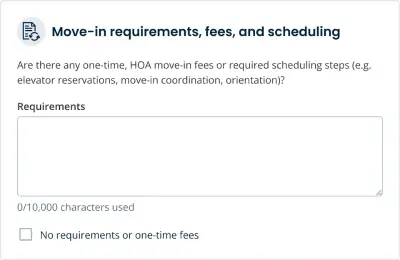
7. Set Property Rules & Restrictions
Set property rules for quiet hours, smoking, parking, and any prohibited activities. Explain how tenants can request changes or make alterations to the rental. Clear, fair guidelines help protect the property, keep things running smoothly, and ensure everyone follows local laws and lease terms.
Did you know? The American Lung Association revealed that between 44% and 53% of non-smoking residents in multi-unit housing report secondhand smoke drifting into their homes from elsewhere in the building.
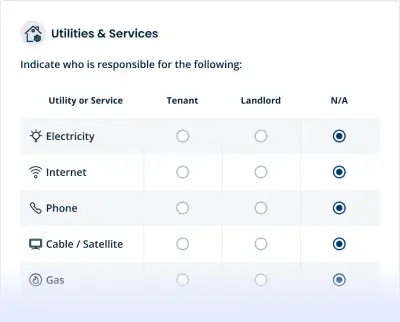
8. Explain Division of Utilities & Other Costs
List all utilities and services, such as water, gas, electricity, trash, sewer, and internet. Specify who pays each, how to calculate costs, and where the tenant should submit their payment. Explicitly state due dates to keep bills current and prevent shut-offs.
Did you know? With TurboTenant’s lease builder, you can designate utility responsibilities while creating the agreement
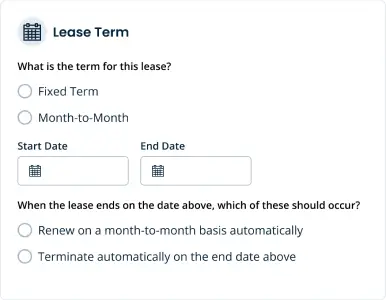
9. Outline Lease Termination & Renewal Process
Outline how landlords and tenants can end or renew the lease in compliance with state requirements. Define early termination conditions such as lease-breaking, military deployment, domestic abuse, or sale of the rental property. State whether the lease converts to month-to-month when its term is up, or if it requires a new agreement altogether.
Did you know? Fixed-term leases typically run 12 months and automatically end on their expiration date, unless renewed. Some states require landlords to send a renewal or non-renewal notice to the tenant 30 to 90 days before the term ends.
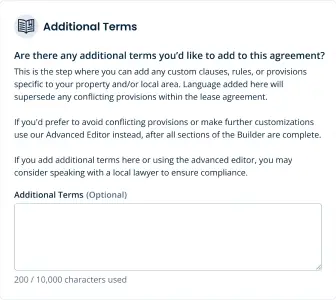
10. Address Essential Legal Clauses and Protections
Include clauses that cover eviction, subletting, renters’ insurance, dispute resolution, governing laws, and severability. Doing so ensures protections for both parties and preserves the rest of the lease so it remains valid if any single provision becomes unenforceable.
Did you know? Between 5% and 6% of renter households experience an eviction filing each year, most commonly for nonpayment of rent, according to the University of Chicago.
11. Review the Lease to Ensure Compliance
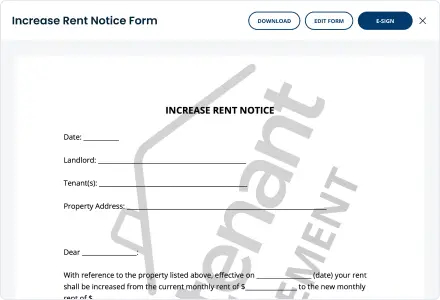
Before signing, ensure the lease is clear, concise, and compliant with federal, state, and local laws. Use plain language and follow regulations on deposits, disclosures, notices, and evictions. Consider hiring an attorney to review your contract or use a reputable, legally reviewed lease agreement template to protect both the landlord and the tenant.
Did you know? With TurboTenant, you can add provisions, clauses, and attachments while building your lease to customize your rental contract.
12. Finalize the Lease Agreement With Signatures
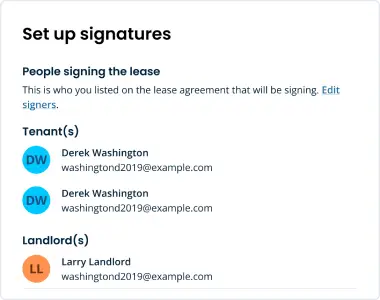
To finalize a lease, include printed names with signature sections, allow for secure e-signatures, follow any state-specific witness or notarization rules, and provide signed copies to both the landlord and tenant after signing.
Did you know? According to the National Multifamily Housing Council, 92% of property managers now use electronic leasing tools, making e-signing the industry standard.

Watch the video
What Landlords Must Include in Residential Lease Agreements
Create Your Standard
Residential Lease Agreement
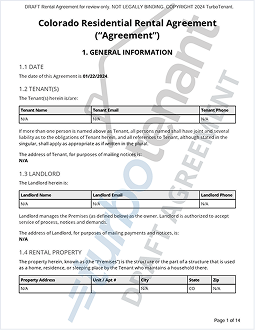
Create your residential lease agreement with TurboTenant to protect your rental, ensure compliance, and set clear terms for your tenants. Our legally reviewed rental contract templates are fully customizable, so you can rent with confidence for years to come.
Join the 1 million+ independent landlords who rely on TurboTenant to create welcoming rental experiences.
No tricks or trials to worry about. So what’s the harm? Try it today!
