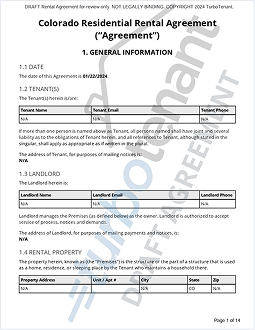
Month-to-Month Lease Agreement

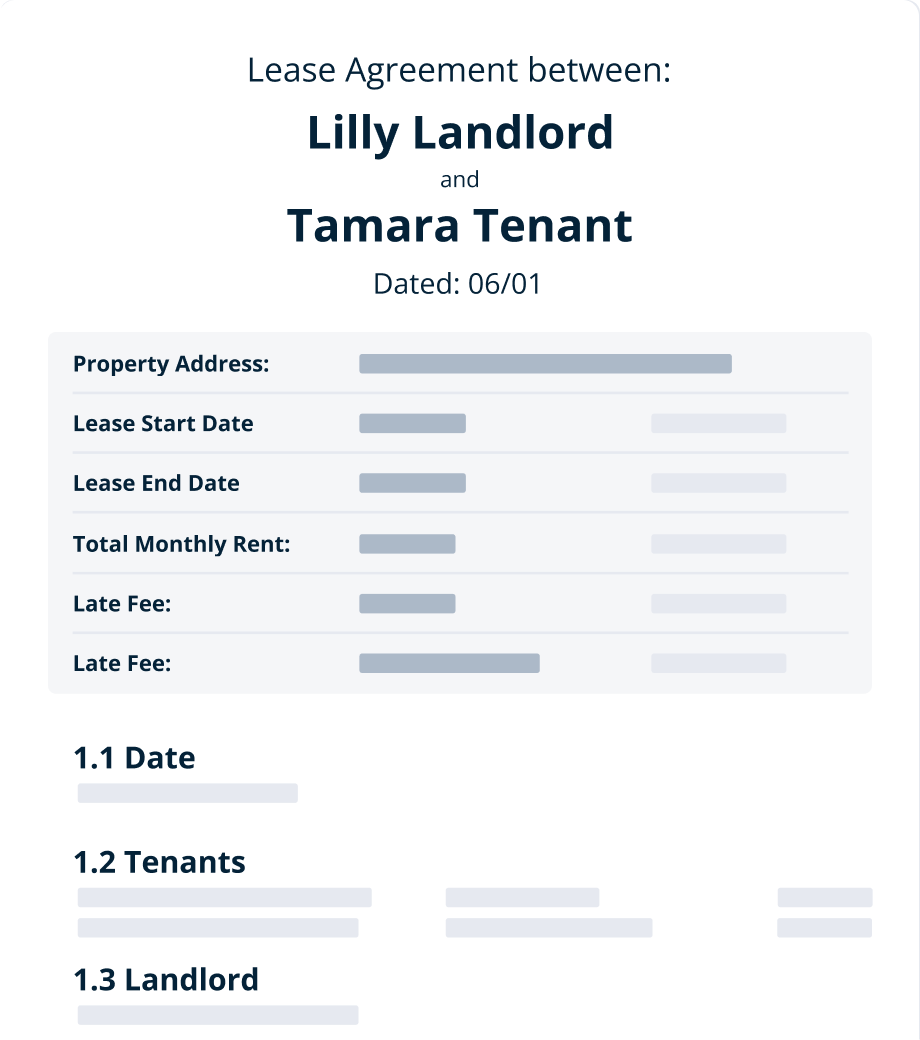
month-to-month lease agreement is a contract that renews each month until either the landlord or tenant provides proper notice to end it. It outlines rent, responsibilities, and rules while offering a flexible rental arrangement to both parties.

Month-to-Month Lease Agreements By State

6 Essential Month-to-Month Lease Terms

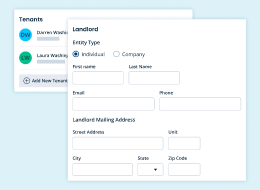
depiction of adding a landlord and tenant name into TurboTenant

1. Landlord and Tenant Names

Start by listing the landlord’s and tenant’s full legal names, current addresses, and contact information. Accuracy here is essential, as even minor errors can lead to enforcement issues or legal disputes down the road.

Pro Tip: Incorrect or incomplete names and addresses can render a lease unenforceable, so double-check this information before sending out the rental contract for e-signatures.

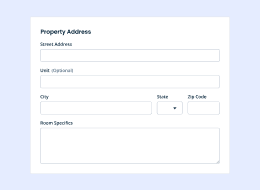
add a room description for clarity in your contract

2. Property Description

Describe the rental property by providing its complete address, unit number if applicable, and any included spaces or amenities. Be very specific when describing the property so both the landlord and tenant clearly understand which areas and features apply to the lease.

Did you know? U.S. News reports that in the U.S., 47.4% of renters live in buildings with five or more units; 31.4% in single-family homes, and 21.2% in other housing types like duplexes or townhomes.

3. Rent Amount and Payment Terms

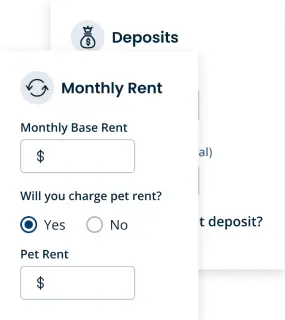
State the monthly rent amount, due date, and acceptable payment methods, such as cash, ACH, or check. Specify any state-specific grace periods or late fees, and outline when tenants must initiate payments to ensure timeliness and avoid disputes.

Pro Tip: Six out of 10 landlords prefer to collect rent online, according to SmartMove.

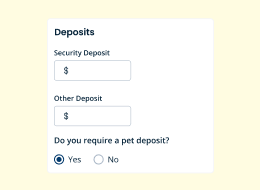
mockup of turbotenant security deposit info for month to month leases

4. Security Deposit Details

Specify the security deposit amount, where and how the landlord will hold it, any applicable interest terms, and the conditions for its return. Follow state laws on limits and timelines, and state its purpose, such as covering unpaid rent, fees, or damage beyond normal wear and tear.

Did you know? Certain states, like Maryland, mandate that landlords hold security deposits in interest-bearing bank accounts. While some states require landlords to pay that interest back to tenants, most do not.

rent increase rules mockup

5. Rent Increase Rules

Explain how and when landlords can increase rent in a month-to-month lease, following state and local notice requirements. Specify the notice period (30 days in most states) and note any legal limits on increases to ensure legal compliance and accountability.

Pro Tip: Some states, like California, with rent control limit how much landlords can raise rent each year. Always check state landlord-tenant laws before issuing a rent increase notice.

lease renewal and termination mockup

6. Renewal/Termination

Outline how either the landlord or tenant can end a month-to-month lease by issuing written notice to the other party, as required by state law. Include how renewal occurs, which typically takes place each month after the tenant pays rent unless either party gives notice to terminate.

Did you know? California has the highest share of month-to-month leases at 62.7%, followed by the District of Columbia at 58.4% and Arkansas at 57.1% (U.S. Bureau of Labor Statistics).

Watch the video

Month-to-Month Lease Agreements: A Guide for Landlords and Renters

Create Your Month-to-Month Lease Agreement

Create your state-specific month-to-month lease agreement with TurboTenant today to streamline your property management operation. Our legally reviewed templates make it easy to create a clear, compliant agreement without sacrificing valuable time or money.

Join the 1 million+ independent landlords who rely on TurboTenant to create welcoming rental experiences.

No tricks or trials to worry about. So what’s the harm? Try it today!