


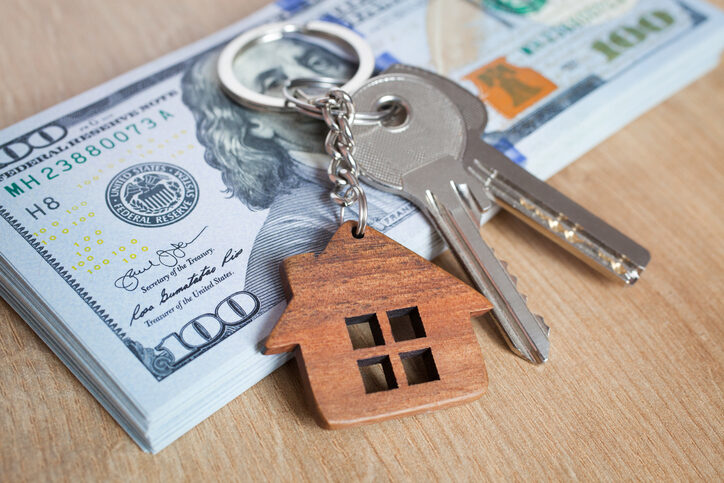




Years ago, there were only a few ways you paid rent. Tenants used checks, cash, or money orders — and it was a done deal. But today, the answer to “how do you pay rent?” isn’t straightforward. With new digital options in the mix, you may enroll in autopay or split payments to align with your income schedule.
If you want to know how to pay rent, you need to consider your landlord’s preferences, your lease agreement rules, and your own financial situation. Some tenants use rent payment software to send secure ACH payments, but others still write out a paper check each month.
Here’s a detailed breakdown of every rent payment method you can use in 2026. We’ll cover time-tested traditions, like cash, and digital game changers, like TurboTenant’s app, so you can find the best solution for you.
Easily Collect Rent Online
Get the All-in-One Solution
The Best Ways to Pay Rent for an Apartment in 2026
In 2026, if you ask someone, “How do you pay rent?” you’ll get multiple answers.
Most landlords prefer electronic rent payment methods. After all, digital transactions are familiar, quick, and secure. However, many landlords still collect envelopes full of cash.
But what’s really the best option? Online portals beat paper-based workflows for many reasons, including:
- Convenience: Both parties can access digital payment apps and portals anytime, anywhere, using their cell phones. No one has to run to the bank, sort through bills, or check the mailbox.
- Credit-building opportunities: Many landlords offer rent reporting tools that help tenants boost their credit scores. Reporting on-time payments to credit bureaus can help a tenant improve their finances and qualify for loans.
- Security: Most rent collection platforms use bank-level encryption to protect account details and funds. But when you use cash or checks, someone could steal or lose them.
All in all, top rent payment systems let you pay securely and offer helpful features such as autopay and rent reporting.
Keep in Mind: So, how do you pay rent for an apartment? Or for a cozy single-family home? Check your lease agreement to see what payment methods your landlord accepts. If you don’t see online transactions on the list, consider asking your landlord if they’d be interested in using a free, trusted platform — like TurboTenant.
How do you pay rent online? Apps, Portals, and ACH

If you’re wondering how to pay rent online, it’s actually easier than you think. In 2026, most landlords use landlord software with tenant portals. All you have to do is log in and schedule your payment.
Here’s how the process works with a leading platform like TurboTenant:
- Create your account: First, your landlord sends you an email invitation. From there, you can set your password and verify your identity. It only takes a few minutes to get started.
- Link your payment method: Next, connect your bank account or add a debit/credit card. TurboTenant uses Plaid to keep your account details secure.
- Make a payment: All you have to do is choose your payment method, confirm the amount, and authorize the transaction. As soon as you pay, TurboTenant sends you a rent receipt and payment follow-up via email and SMS.
Once you create your account, you can review your balance and track your payment history on your tenant dashboard. You can also enroll in autopay to keep your payments running like clockwork. When you set it and forget it, you don’t have to worry about manual processing or late fees.
ACH vs. Credit Card
Most tenants choose Automated Clearing House (ACH) transfers to pay their monthly bills.
ACH uses bank-level encryption to securely transfer funds from your bank account directly to your landlord’s account within 5 to 7 days. Tenants typically pay a small processing fee for ACH payments. If your landlord has a free TurboTenant account, you pay $2 per transaction. But if your landlord has a Premium account, you won’t pay the fee.
Besides ACH payments, you can also use your credit or debit card for rent.
With TurboTenant, tenants pay 3.49% when they use their card, and the transaction goes through instantly. Depending on your card, you may earn cash back or rewards points. However, you could end up paying expensive interest fees if you don’t pay off your balance.
Ultimately, the best online payment method depends on your specific needs and situation. With a platform like TurboTenant, you have the flexibility to choose each month.
Is paying rent online secure?
With the rise of AI, using a secure portal to pay your rent is safer than handing a check with your routing number on it to landlords. Rent payment platforms encrypt your financial details and use fraud detection tools to identify red flags.
All things considered, platforms like TurboTenant provide secure payment processing, digital receipts, autopay, and payment history tracking. It’s easy to pay while keeping your financial details secure.
Traditional Methods: Checks, Cash, and Money Orders
Another answer to how do you pay rent is traditional methods. Many private landlords still prefer paper processes, but we consider them legacy methods in 2026. They work, but they’re not the most efficient. Overall, checks, cash, and money orders require manual tracking and recordkeeping, invite more risk, and take longer to process.
Here’s what you need to know:
Checks
If your landlord asks you to pay rent using a check, fill it out correctly to avoid payment delays. Here’s how to pay rent with a check:
- Add the full date (“March 1, 2026”).
- Write your landlord’s legal or business name on the “Pay to the Order of” line. Check your lease agreement for specific instructions.
- Fill in the rent amount numeric box (“$1,950.00”).
- Spell out the full amount in words, and draw a long dash to fill up any empty space in the text box (“One thousand nine hundred and fifty dollars and 00/100 ————”).
- Write the payment’s purpose on the memo line, including the address and the payment’s month (“March 2026 rent, 123 Main St Apt 32A”).
- Sign the check to authorize payment.
We recommend taking a photo of the check for your records. Additionally, always handle your checks with care. Because checks include both your routing and account numbers, you risk exposing your sensitive account details if you misplace them.
Cash
Cash is simple, but it’s not the best way to pay rent in 2026. First of all, cash doesn’t create a paper trail like checks or online transactions do. Secondly, you can’t cancel the payment if someone loses or steals your money.
If you do decide to pay rent in cash, follow these best practices to reduce risk:
- Always meet your landlord in person.
- Avoid transacting with cash at night.
- Ask your landlord to count the money in front of you.
- Get a signed, dated receipt immediately.
Keep your receipt in a safe place. Without a record of your payment, you don’t have a strong defense if disagreements arise. For more tips about how to pay rent with cash, read our helpful guide.
Money Orders
Beyond checks and cash, you can also use a money order. A money order is a great option for tenants without bank accounts. Here’s how to pay rent with a money order:
- Purchase a money order from a bank, post office, or convenience store for a small fee (typically $0.50–$5.00).
- Prepay the rent amount.
- The issuer guarantees the funds.
And that’s it! The issuer gives you a receipt with a tracking number. Save the document in your files to prove your payment. If you or your landlord loses the money order, you can use your receipt to replace it.
While these traditional payment methods still play a large role in today’s rental businesses, most tenants prefer using secure online portals instead. Digital rent payment platforms enable automation, document transactions, reduce fraud risk, and streamline payments.
Rent Logistics: How often & how much should you pay?

Before you sign a lease, carefully review your landlord’s rent payment process. Look for the following details:
- Your monthly due date
- Amount due
- Grace period
- Prorated charges
- Late payment penalties
Here’s what you need to know:
How often do you pay rent?
Most tenants pay rent in a lump sum once a month. Landlords usually collect rent on the 1st of the month, but check your lease terms for specific details.
In 2026, many landlords will offer tenants more flexibility by offering bi-weekly or split-payment plans. These “flex rent” options allow tenants to break up their rent into scheduled payments that align with their specific pay schedule. It helps tenants manage their finances, avoid late fees, and pay their bills on time.
Keep in Mind: If you move into your unit in the middle of the month, your landlord will probably charge you prorated rent. In other words, they only charge you for the days you’re occupying the unit.
- First, landlords calculate a daily rate by dividing the total rent amount by the number of days in the month.
- Then, they multiply that daily rate by the number of days you’re paying for.
For example, let’s say you move in with 15 days left in the month. If your rent is $1,950 and there are 31 days in the month, your prorated rent would be $943.55.
How much do you pay in rent?
Check your lease agreement to determine how much you have to pay each month.
As a best practice, many renters use the 30% rule to stay within budget. The rule of thumb recommends spending less than 30% of your gross monthly income on rent. It’s a great way to manage your expenses, but it’s not always realistic in 2026. If you’re in a high-cost city, most tenants pay more than 30% of their income.
To get a clear answer on how much you pay, review your lease or ask your landlord.
Timelines & Deadlines: How many days do you have to pay for rent?
Once you know your due date, how long do you have to pay for rent? Check your lease and state laws, and look for specific grace-period policies. Many states require landlords to wait a few days before applying late payment penalties, including:
- Oregon: 4 days (Or. Rev. Stat. § 90.260).
- New York: 5 days (N.Y. Real Prop. Law § 238-A(2)).
- Washington: 5 days (Wash. Rev. Code § 59.18.170).
The typical grace period is between 3 and 5 days, but review your lease and local laws to get a specific answer. If your state law doesn’t require a grace period and your landlord didn’t include one in the lease, rent is due on the due date. If you fail to pay, a Pay or Quit Notice may be in your future.
Pro Tip: Submit your rent payment early to avoid late fees and notices. ACH payments can take up to 7 days to process, so stay ahead by initiating the transfer early.
Remember, the grace period is typically the day when late fees kick in. Keep an eye out for the eviction notice date, which is when landlords can initiate the legal eviction process for your failure to pay.
What happens if you don’t pay? (Late Fees & Eviction)
Now that we’ve discussed the answer to “how do you pay rent,” let’s cover what happens if you miss a payment.
First, landlords can apply late fees once the grace period ends, if any. Late fees are typically 5%–10% of the rent amount, depending on your state’s law and lease policy.
If you still don’t resolve the issue, your landlord can send you a formal Pay or Quit Notice. These legal documents require you to pay the balance in full or vacate the property by a specific deadline. State law governs the process, but most areas give landlords 3–10 days. If you don’t comply, your landlord can file for eviction.
So, how long do you have to pay rent before eviction? It varies by state, but landlords can begin the process once the notice period ends.
Pro Tip: Instead of letting the situation escalate, we recommend communicating with your landlord. Reach out in writing to offer a payment plan to avoid eviction proceedings as soon as you know you can’t pay on time.
If you’re ever wondering, “How do you pay rent?” we hope our helpful TurboTenant guide gave you the answers you need.
How Do You Pay Rent FAQs
Can I pay rent with a credit card?
Yes, if your landlord uses rent collection software. However, you may have to pay a 2%–3.5% processing fee.
Does paying rent build credit?
Yes, but only if your landlord uses a platform with rent reporting tools.
Is cash acceptable?
You can pay rent with cash if your landlord accepts it. Make sure you count the money together in person and get a receipt immediately.