Join the 1 million+ independent landlords who rely on TurboTenant to create welcoming rental experiences.
No tricks or trials to worry about. So what’s the harm? Try it today!
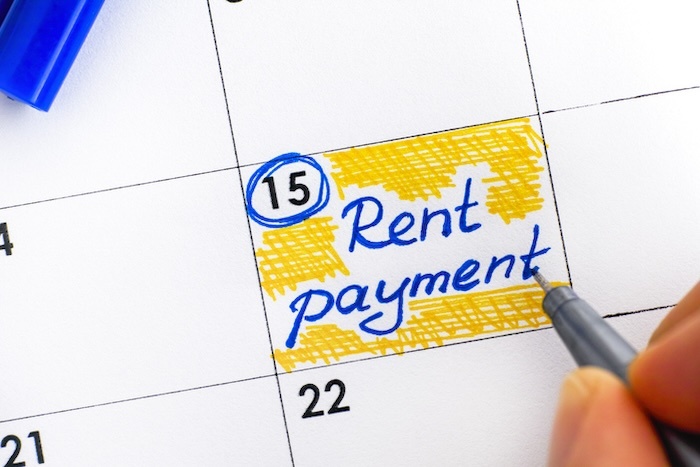
In a perfect world, rent collection would be as clean and simple as it sounds on paper. Tenants pay the full amount on the 1st of the month, and it’s always on time. But in reality, it’s usually more colorful than that. Some tenants regularly ask for extensions, and others are always a few days late because their pay schedule doesn’t line up with your rent calendar. When a rigid system isn’t working, some landlords use flexible rent payments to meet tenants halfway and bring a sense of balance back to their rental income stream.
Flexible rent payments can help reduce rent-related headaches, eliminate guesswork, and improve your retention rate. But, without the proper guardrails, flexible rent can also create a complicated and confusing system.
Use our guide to understand when a flexible payment option makes sense, when it doesn’t, and how property management software helps you structure a low-risk, efficient system. We’ll cover the pros and cons for landlords, tips for tenants, and important considerations so you can decide whether flexibility is a smart move — or an added stress.
As living costs continue to rise and more tenants work freelance and gig jobs, landlords are adjusting to the changing rental landscape. Based on a tenant’s specific situation, landlords may offer flexible rent payment options, including:
For instance, tenants may pay half their rent on the 1st of the month and the remaining half on the 15th. Flexible rent gives tenants more breathing room so it’s easier for them to make timely payments.
At the same time, landlords can better understand when tenants will actually pay so they’re not in the dark. As a result, rental owners can adjust their finances accordingly — putting them in a better position to pay their mortgage, cover property expenses, and keep their checkbook balanced.
However, landlords and tenants should document details rather than rely on word of mouth alone. Both parties must agree to the flexible payment schedule in the rental agreement to avoid miscommunications and remain accountable.
If you set up a flexible rent before the tenancy begins, you can add the terms to your original rental contract. When you accept flexible rent for an existing tenant, make sure you add a clause to the lease outlining the following information:
When you add clear lease terms, you ensure that the flexibility doesn’t weaken your ability to track on-time rent and enforce late payment penalties.

Flexible payment systems come with tradeoffs, and they might not be the best idea for every landlord-tenant relationship. Here’s what to consider:
Ultimately, what matters most is finding a solution that makes sense for you and your tenants. We recommend speaking with your tenants openly to discuss options and establish a system that works for everyone.
Pro Tip: Responsible tenants are the best candidates for flexible rent payments. Thorough tenant screening can help you find honest, financially stable renters who abide by the lease and make your life easier.

If you’re considering allowing tenants to make flexible rent payments, follow these five steps to set everyone up for success.
First, review your finances. Take note of your weekly and monthly expenses, such as mortgage payments, property maintenance costs, taxes, and any other bills you use your rental income to cover.
After looking at your balance sheet, due dates, and amounts due, consider whether a non-traditional income stream would allow you to meet your financial obligations. If you can cover the costs with flexible rent payments, the next step is speaking with your tenants.
After you’ve decided that flexible rent works for you, reach out to your tenants. Keep the conversation friendly and professional, and discuss the different options. Clear communication is the best way to create a system that reduces headaches instead of creating them.
Next, consider your conversation with your tenant and map out a payment schedule that meets everyone’s needs. Should you split the payment up into weekly or bi-weekly transactions? Or should you choose calendar dates, such as the 1st and the 15th of each month?
Think about the best cadence and confirm with your tenants before finalizing your offer.
While you’re shaping your action plan, don’t forget to think about how tenants can make flexible rent payments. Perhaps you’ll use a flexible rent app or a pay half rent app. Property management software can be a great way to collect digital payments, track rental income, generate receipts, and apply late payment fees.
As the final step, adjust the lease agreement to include the new rent details. Use clear and concise language to outline the following information:
You can also add addenda to existing leases. Once both parties sign the rental agreement, you’re done! You can begin collecting flexible rent payments.
Tenants considering a partial rent payment agreement should fully understand the arrangement and their responsibilities. Share these tips with your tenants to help them make a smart, financially sound decision:
Flexibility can be helpful, but both parties must communicate openly and follow through on their agreement.

Here are a few mistakes we’ve seen landlords make when it comes to flexible rent payments. Keep them in mind so you can avoid making them, too:
Remember, structure and consistency are the best ways to prevent unnecessary risk when accepting flexible rent payments.
Instead of trying to track every payment yourself, let TurboTenant do it for you. Our landlord software makes rent collection fast, easy, and organized — whether you’re collecting traditional payments on the 1st, or flexible payments based on a tenant’s needs.
While TurboTenant doesn’t currently support automatic weekly or bi-weekly payments, it does offer helpful rent collection tools, including:
Sign up for a free account today so you can stop worrying about your rental income.
Landlords may choose to let tenants pay rent on a custom schedule. The most common options are weekly or bi-weekly payments. Some landlords split up the due dates based on calendar days, such as the 1st and 15th of each month.
TurboTenant does, but landlords must approve it first. Remember, always add any flexible rent payment schedules to the lease agreement. If both parties don’t agree to a flexible arrangement, landlords can apply penalties if tenants make late or partial rent payments.