Join the 1 million+ independent landlords who rely on TurboTenant to create welcoming rental experiences.
No tricks or trials to worry about. So what’s the harm? Try it today!
As housing prices soar, homebuying has become harder across the country. Naturally, some places are hit harder than others. The gap between the least and most expensive states to buy rental property has widened substantially, and it’s impacting how and whether people can afford real estate.
There are a few different reasons for the discrepancy, ranging from limited housing supply to restrictive zoning laws. Sudden jumps in job and population growth, along with geographic constraints, can also limit purchase opportunities and widen the gap between renting and buying costs.
By understanding broader rental and housing market trends, landlords and investors can determine where to buy their next rental investment property. To help paint a picture of how expensive today’s top markets have become, TurboTenant counts down the 10 most expensive states to buy real estate, but not before a look at a short list of what drives up prices.

Numerous factors are to blame for the housing affordability crisis. And though the exact reasons may vary, considering the following variables will give you a better idea of why home prices are particularly high in a given location:
Strong job markets: Places with strong job markets tend to draw high-earning professionals from surrounding states and countries, thus creating intense competition for a limited pool of available homes. When demand outpaces supply, bidding wars become common, and prices climb quickly.
High population density: More people living in one area means fewer homes available. In densely populated states, even modest properties can command premium prices due to limited supply.
Limited available land: Without room to expand due to geographic constraints such as coastlines, mountain ranges, or islands, developers can’t build more property. When the land runs out, prices have nowhere to go but up.
Slow new construction: Permitting laws, zoning restrictions, community opposition, labor shortages, and weather can all slow the construction of new homes. Even in areas where demand is surging, the flow of new supply often can’t keep pace, putting sustained upward pressure on prices.
Now that you have an idea of the reasons behind high housing costs, let’s take a look at the priciest places in the U.S. We sourced the numbers below from each state’s Zillow Home Value Index, which measures typical mid-tier home values nationwide.
A strong tech sector and creative economy in the Portland metro area have pushed the state’s housing market well above the national average. Statewide, home values have grown by roughly 40% since 2019, though eastern Oregon and the southern coast are significantly cheaper than Portland and its surrounding suburbs.
Real estate investors may want to steer clear of the Beaver State, though, as Oregon has some of the nation’s strictest rent control laws and even requires landlords to pay tenants’ relocation fees if they increase rent significantly. Ultimately, the price-to-rent ratio isn’t ideal, even for higher-cash-flow Airbnb investments.
Source: ZHVI data through May 31, 2026
Since 2019, New Hampshire’s housing market has been completely transformed. Home values are up by nearly 80%, driven by remote workers and homebuyers who can’t afford Boston or the greater New England area. With all that competition swirling, homes regularly sell above asking price.
Though median home values recently surpassed $500,000 (and can be much higher in coastal communities like Rye and Portsmouth), you can still find cheaper property in towns like Berlin and Claremont. New Hampshire also has relatively landlord-friendly laws for rental property investments.
Source: ZHVI data through May 31, 2026
The New York City metro area is famous for its astronomical housing prices, which have driven up average costs across the state. In affordable upstate cities like Rochester and Buffalo, median home prices hover around $200,000. However, by state, home prices are up about 5% year over year.
On top of its high housing prices, New York consistently ranks among the least landlord-friendly states due to rent stabilization laws in the Big Apple, just-cause eviction requirements, and a tenant-favorable court system. Most prospective landlords might want to look elsewhere for their next real estate investment.
Source: ZHVI data through May 31, 2026
Utah typically isn’t the first state to come to mind for high housing prices. But an expanding tech sector and in-migration from neighboring states have driven up home prices, particularly in the Salt Lake City-Provo corridor. Costs in resort markets, like Park City, are even higher.
On the upside, Utah’s rental laws are relatively landlord-friendly. If you buy in the right place at the right time, long-term rental demand from the state’s growing population should translate to a decent profit margin. But short-term rental owners may face headwinds in resort areas as regulations increase.
Source: ZHVI data through May 31, 2026
Colorado has long been desirable for homebuying, with metros like Denver, Boulder, and Colorado Springs all drawing buyers who are willing to pay a premium for an outdoorsy lifestyle. Though home prices have dipped by 2.4% year-over-year, values remain well above the nationwide averages for housing costs by state.
Though $543,000 won’t go far in larger cities, towns like Pueblo and Grand Junction offer lower-cost investment opportunities. Not to mention, Colorado also ranks on TurboTenant’s list of the most landlord-friendly states and has one of the lowest property tax rates in the country at roughly 0.50%.
Source: ZHVI data through May 31, 2026
The rise of remote work and proximity to New York City have contributed to New Jersey having one of the highest home prices among states. Costs are highest in Bergen County, near NYC, but South Jersey still has some affordable markets worth looking into.
Landlords won’t have an easy time in New Jersey, however, as the state has the nation’s highest property taxes and just-cause eviction laws that extend tenant protections. With these limitations in mind, New Jersey isn’t the best place for real estate investing, even in that state’s more affordable markets.
Source: ZHVI data through May 31, 2026
Washington’s housing demand is primarily concentrated in the Seattle metro, which is home to major corporate employers like Amazon, Starbucks, and Microsoft. Though home prices have dipped slightly, falling roughly 0.5% year-over-year, Washington remains within the top five most expensive states to buy rental property in 2026.
Seattle, of course, has the most costly homes, with average values hovering around $870,000. While other cities like Spokane and Yakima have more affordable houses, landlords will have to contend with the state’s just-cause lease termination requirements, rent increase restrictions, and lengthy eviction timelines.
Source: ZHVI data through May 31, 2026
Massachusetts has one of the highest average housing prices among states because of its elite universities, a highly concentrated job market, and severely limited housing supply. Costs are particularly high in Boston and Cape Cod, though the burgeoning Pioneer Valley area offers a more affordable alternative.
Landlords should also note that Massachusetts law tends to favor tenants. The state requires landlords to pay annual interest on security deposits and gives tenants the right to seal their eviction records, limiting what future landlords can see. Investors here also face high entry costs, thin margins, and increasingly complex landlord-tenant laws, making rental property operations difficult at best.
Source: ZHVI data through May 31, 2026
California has long been the second-most expensive state to buy rental property, primarily due to high housing prices in the San Francisco Bay Area and Los Angeles. Though the cheaper Central Valley and Inland Empire bring down average costs, homeownership rates are just 55% as of 2025.
With a large renter population, California is one of the least landlord-friendly states in the country due to its strict rent control laws, high income taxes, and variations in local landlord-tenant laws. The state also heavily regulates short-term rentals, making Airbnb equally unfeasible.
Source: ZHVI data through May 31, 2026
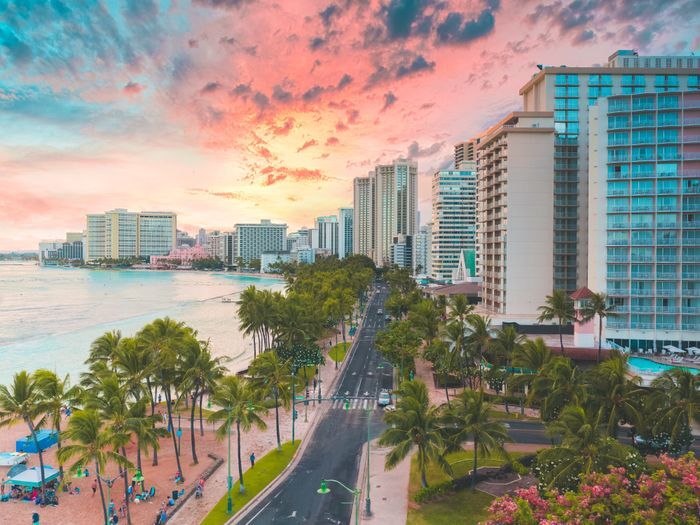
With a gap of over $50,000 between Hawaii and California housing prices, the Aloha State ranks as the most expensive state to buy an investment property by a wide margin. Homes cost more than twice the U.S. average due to extreme geographical constraints, tourism demand, and high construction costs.
Compared to other islands, costs are particularly high in densely populated Oahu, where the median sales price exceeds $1.1 million. Hawaii’s short-term rental market is also under fire from local lawmakers, who are already phasing out short-term rentals on Maui to create housing opportunities for residents.
Statewide, long-term rental demand is strong, driven by a large rental base. But the combination of high entry prices and rising operating costs means that investors who haven’t done thorough market research can easily lose money on rental properties in Hawaii.
Source: ZHVI data through May 31, 2026

The spread between the cheapest and most expensive states is pushing a growing number of would-be investors out of the markets they’d most like to enter. In the states on this list, prices have climbed so high that a growing number of residents with solid incomes can’t afford to buy.
That doesn’t mean investment opportunities don’t exist.
If you’re researching where to buy rental property, price is only part of the equation. A state’s landlord-tenant laws, property tax rates, and eviction timelines can make or break a deal in ways that raw home values don’t capture. A market with high prices and landlord-friendly laws can still outperform a cheaper state with restrictive tenant protections.
Before committing to a market, learn how real estate investing works and stress-test the math with a rental property calculator. The numbers will tell you whether a high-priced state is worth the cost of admission.