






Most renters and landlords are familiar with what a tenant screening report is, but something that they often overlook is the rental history report.
After landlords screen their renters and applicants pass their screening report criteria, it’s always a good idea to do some additional screening, which includes looking into a tenant’s rental history.
If you’re a first-time renter or a landlord new to the screening process, keep reading so we can guide you through what a rental history report is, why it’s essential, and how to analyze the results.
What is a Rental History Report?

A rental history report is a list of a prospective tenant’s past landlords and addresses. You might think it’s unnecessary to provide a rental history report if a landlord already received a screening report.
While a tenant screening report provides the hard numbers and facts about a renter, a rental history report helps bridge the gap in understanding how the tenant behaves as a renter.
A tenant may appear perfect on paper after the initial screening report, with a great credit score, no criminal background, and no evictions, but rental history reports will help a landlord gain insight into their behavior and get to know the renter better.
What Landlords Need to Know About Rental History Reports
As a landlord, you probably know that screening your tenants is vital to protect your rental investment – rental history reports are an additional tool for you to speak to other landlords and possible roommates of a tenant so you can be completely confident in who you rent to.
After you have read a tenant’s screening report, it’s time to verify their rental history.
Make sure you ask for at least three previous rental addresses along with their previous landlord’s contact information. This request is typically included in the rental application.
Pro Tip: Don’t be afraid to interview your applicant’s former landlord! Here’s a list of questions to ask former landlords to help you find your next tenant.
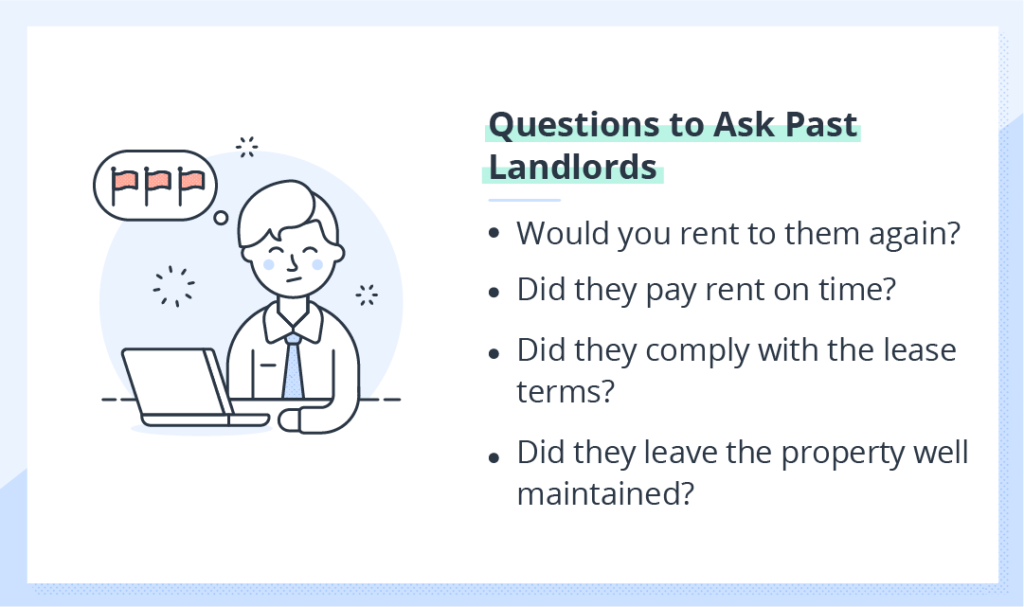
- Would you rent to them again?
- Did they comply with the lease terms?
- Did they pay on time?
- Did they leave the property well-maintained?
Calling landlord references can also help you determine if things like a low credit score are not indicative of how they are as a renter and their ability to pay rent.
What if a Renter Has No Rental History?
If you are a new renter, or if you are a landlord renting to a younger person, they might not have a rental history – don’t worry.
Just because someone has never rented before should not disqualify them from the process.
Renters can explain their situation to a landlord and provide things such as proof of employment and pay stubs while also being prepared to have a cosigner.
For guidance on adding a cosigner to a lease, which includes the importance of landlords conducting the same tenant screening criteria to ensure timely rent payments, check out this detailed resource.
Verifying an applicant’s rental history is one of the best indicators in the tenant screening process for landlords to determine if a renter is the right fit.
For renters, building strong communication with past landlords will not only help you as a current renter but also when you decide to move to a new rental and need to provide landlord references.
Disclaimer: This blog is for informational purposes only and is published by TurboTenant. It is not legal, financial, or tax advice. Laws and regulations for landlords vary by state and locality and may change over time. Always consult a qualified attorney, accountant, or local housing authority before making decisions related to your rental property. The publisher and authors assume no responsibility for actions taken based on the information provided.
Rental History Reports FAQs

What if renters do not want to provide their rental history to their landlord?
Since landlord references will be listed in the rental application, if a tenant does not fill it out or refuses, this could be a potential red flag. If you have several other applicants who have provided references and passed your tenant screening criteria, they might be a better fit.
What can a landlord ask previous landlords when verifying rental history?
Landlords or a landlord reference form will ask general questions about how a renter was. For example, if they paid rent on time, if they caused issues with neighbors, and if they were a good tenant overall. Landlords need to steer clear of questions and comments that would discriminate and violate Fair Housing laws.
Is rental history the same as a credit report?
No, rental history and credit reports are different. Rental history tracks past lease behavior, while credit reports show debt, payment history, and credit scores from financial institutions and lenders.
Can you get in trouble for lying about rental history?
Yes, lying about rental history can lead to application denial, eviction, or legal consequences. Landlords often verify information, and dishonesty may violate lease terms or fair housing regulations.