Join the 1 million+ independent landlords who rely on TurboTenant to create welcoming rental experiences.
No tricks or trials to worry about. So what’s the harm? Try it today!

For landlords, eviction is often one of the most stressful aspects of owning a rental property. Between attorney fees, court filings, and weeks of lost rent, the process can drain your budget and patience. As a result, many landlords choose a simpler alternative: cash-for-keys. In a cash-for-keys agreement, a landlord pays a tenant to move out, which might not sit right with many landlords, but it can be effective.
Let’s break down how this strategy works, what to include in an agreement, and why it can be one of the most effective tools in your property management toolkit for reducing eviction costs.
While the concept might be unfamiliar to you, it’s a great alternative to the eviction process, which can be expensive and time-consuming. Knowing all your options when it comes to removing or changing tenants will help you seamlessly run your rental business.
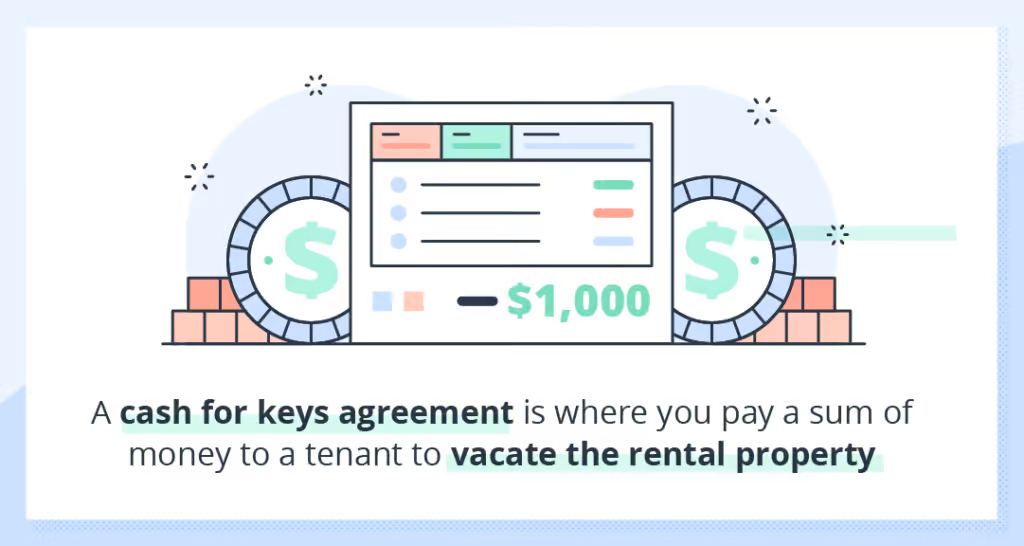
The agreement is simply a written document that spells out the terms of the deal between landlord and tenant. It usually covers details like:
Landlords should always put the agreement in writing and have both parties sign it. A signed document protects everyone involved and ensures there’s no confusion about move-out expectations.
Evictions can drag on for weeks or even months, and the legal bills accumulate quickly. By offering compensation instead, landlords can sidestep attorney fees, court expenses, and the loss of rental income. It may seem unusual to pay a tenant to move out, but in many cases it’s still more cost-effective than a formal eviction, which typically costs $4,000 to $7,000.
Landlords typically turn to this approach when:
Tenants often accept because it prevents an eviction on their record and provides money to cover relocation costs.
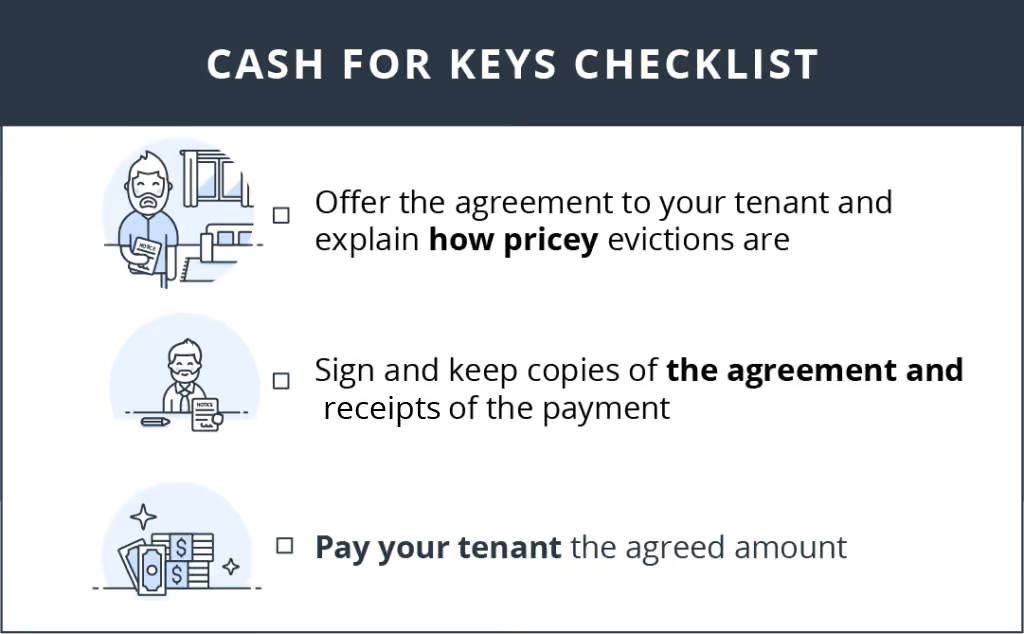
Landlords should approach tenants professionally and respectfully when proposing a mutual move-out agreement. Start with a conversation to explain why you’re making the offer. Emphasize that the tenant can leave on their own terms, avoid an eviction on their record, and receive money to cover moving expenses.
Once the tenant agrees, follow these steps to complete the process:
These steps create a smooth process, protect your interests, and help maintain a professional relationship with the tenant.
Typical offers range from half a month’s rent to 2 months’ rent. In some cases, landlords offer the equivalent of court fees or lost rent during the eviction process, often $1,000–$3,000, to make the offer more attractive. Doing so can help prevent lost revenue during eviction proceedings.
When deciding what to offer, consider:
Example: If an eviction in your area would take 3 months and cost you $4,000 in legal fees and lost rent, offering $1,500–$2,000 could be a faster, more cost-effective solution. Plus, you could get a tenant in faster, so your cash flow doesn’t take a huge hit.
Always check state and local rules to confirm that there are no restrictions on the amount you can offer or the notice periods you must follow.
Once you decide on an offer amount, you can move forward and enjoy the benefits, including faster turnover and lower legal costs. Other benefits include:
Most agreements proceed smoothly, but landlords should adhere to these best practices to remain compliant and avoid costly mistakes.
Following these steps helps landlords protect their legal rights, maintain a positive relationship with tenants, and make the move-out process less stressful for everyone.
Yes. The practice is legal in all 50 states when both parties agree voluntarily and the landlord follows state landlord-tenant laws and the Fair Housing Act. Because it’s a private agreement, not an eviction, it doesn’t require court approval.
Some states and cities add extra requirements. In California, landlords in rent-controlled areas such as Los Angeles or San Francisco must provide written disclosures of tenant rights under local relocation ordinances (Cal. Gov. Code § 7060.2). New York allows cash-for-keys statewide but prohibits any intimidation or coercion when making the offer (N.Y.C. Admin. Code § 27-2005(d)). Washington also permits these agreements if landlords follow notice and anti-harassment requirements (Wash. Rev. Code § 59.18.650).
When handled correctly, this type of agreement offers a legal and cost-effective way to regain possession of a property without a formal eviction.
Having a written form helps document the terms of the arrangement, including the amount offered, move-out date, and condition of the unit. Having both landlord and tenant sign the form provides legal protection and ensures there’s no confusion about expectations.
Need customizable templates for landlord documents, including a cash-for-keys form? Check out our landlord forms pack for 33 rental forms, including a cash-for-keys agreement, to help you avoid sticky situations and handle issues in accordance with state laws.
Download our essential landlord forms pack for just $199 in your TurboTenant account. From welcome letters to property inspection forms, we have you covered.
Landlords typically offer an amount equal to 1 or 2 months’ rent, although the amount can vary based on the situation and how quickly the landlord needs the unit back.
Yes, cash-for-keys is a legitimate and legal strategy when both parties agree voluntarily. The key is to put the agreement in writing and ensure the terms are clear.
This strategy involves paying a tenant to move out by a specific date. It helps landlords avoid eviction proceedings, save money, and regain possession of the property faster.
Landlords and tenants finalize many agreements within a week or less, but the timeline depends on how quickly the tenant agrees and schedules their move-out. Landlords can speed up the process by providing clear communication, a written agreement, and scheduling a walkthrough as soon as possible.
Disclaimer: TurboTenant, Inc does not provide legal advice. This material has been prepared for informational purposes only. All users are advised to check all applicable local, state and federal laws and consult legal counsel should questions arise.