Join the 1 million+ independent landlords who rely on TurboTenant to create welcoming rental experiences.
No tricks or trials to worry about. So what’s the harm? Try it today!
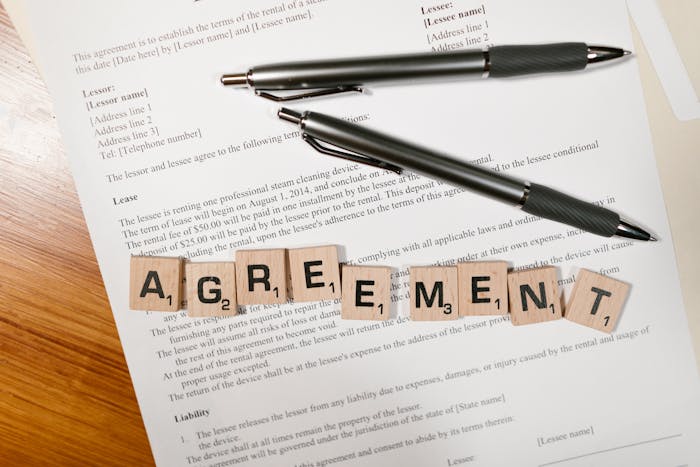
As a landlord, few things will disrupt your plans more than when a tenant wants to break a lease agreement early. All of a sudden, the rent you count on is gone, you’ve got a vacancy to deal with, and you’re left scrambling to cover overhead and expenses. If this happens, what can you do? Is there any way to prevent it when a tenant wants to break a lease?
While this likely won’t happen very often in your time as a landlord, you may have a tenant who wants to break a lease at some point. When this happens, keep in mind that every situation is different. Sometimes, a tenant wants to break their lease for a good reason (more on this below). Other times, they simply want to get out early.
Knowing how to properly handle it legally and fairly, while keeping your bottom line in mind, can make all the difference.
Set up customizable lease agreements right in your TurboTenant account! Purchase a single lease agreement on subscribe and receive unlimited lease agreements, plus electronic signatures and landlord forms.
When you first hear that your tenant wants to break their lease early, it can be easy to feel frustrated. But it’s worth remembering that there are legitimate and even good reasons to break a lease.
Understanding your tenant’s perspective can help you determine the proper course of action and ensure a smooth transition. Keep in mind that some of these reasons carry their own legal protection, so always check your state and local laws.
The Servicemembers Civil Relief Act (SCRA) covers all active-duty U.S. Service members. If they receive deploying or permanent change-of-station (PCS) orders that last 90 days or longer, the SCRA entitles them to break a lease early without facing a penalty. In this case, tenants must provide written notice and proof of their orders at least 30 days before moving out of the rental.
It’s no secret that life can change unexpectedly. Even tenants with the strongest employment history and proof of income at the time of move-in can face an unexpected job loss or sudden financial hardship.
While this case is not always explicitly protected by the law, some landlords choose to include a hardship clause in their lease agreement, to help the tenant in cases like these. Alternatively, if no such clauses exists in the lease, some landlords will work with tenants to come up with a solution, such as adding a guarantor to the agreement via an addendum, rather than having the tenant default on their lease.
A job relocation or transfer is one of the most common reasons tenants choose to break a lease. When this happens, while landlords aren’t legally required to release their tenants from their financial obligations, they can work together to find a mutually beneficial solution. Allowing subleasing or negotiating an early termination are two practical solutions that landlords frequently implement.
Occasionally, a tenant wants to break the lease early because they have found a new opportunity, such as buying a home or upgrading to their dream rental.
In these cases, the existing lease still legally stands, so you have a few options: you can choose to enforce the remainder of your lease, negotiate a buyout, or allow your tenant to find a replacement tenant to move in for the remainder of the lease term (subletting or subleasing).
If the apartment becomes unlivable (think major disaster or severe maintenance failure), or if the tenant is the victim of domestic violence, many states will allow tenants to break their lease early without penalty.
Always check your state and local landlord-tenant laws or consult with an attorney to make sure you understand your rights, as well as those of your tenant.
 As a landlord, your best defense when a tenant wants to break a lease agreement is a strong lease agreement that clearly outlines expectations and consequences. As a legally binding contract, it’s essential to carefully review the lease with your tenant to ensure everyone is on the same page and understands their rights and responsibilities.
Here are a few key clauses to include in your lease.
While it is true that you can’t prevent every situation where a tenant wants to break their lease early, you can lower the odds of it happening to you by taking a few key steps.
At the end of the day, preventing a tenant from breaking their lease early comes down to clarity and connection with your tenant. If tenants understand all of the lease terms upfront and feel connected and supported during their tenancy, they are much more likely to stay through the end of their lease term.
Effective and consistent communication, thorough tenant screening, and a proactive approach to maintenance and repairs all demonstrate to tenants that you are invested in building a positive rental experience, which often means they’ll be more invested as well.
For an easy way to build leases with early termination clauses, sign up for a TurboTenant account today.
Disclaimer: This blog is for informational purposes only and is published by TurboTenant. It is not legal, financial, or tax advice. Laws and regulations for landlords vary by state and locality and may change over time. Always consult a qualified attorney, accountant, or local housing authority before making decisions related to your rental property. The publisher and authors assume no responsibility for actions taken based on the information provided.
There are several good reasons to break a lease legally, including active duty military service, domestic violence, or habitability issues.
Unless your lease agreement contains a hardship clause or state or local laws provide a specific protection, you will still be financially liable for the remainder of your lease term. However, many landlords are willing to work with you on options to avoid a costly eviction.
First, always review your lease terms and state laws to determine where responsibilities lie. Next, communicate with your tenant to choose solutions that work for both of you, to minimize financial loss while staying compliant.
Start advertising your rental immediately, use screening tools to quickly and effectively vet your applicants, and consider offering additional incentives, such as a flexible move-in date or a discounted first month’s rent. The sooner you re-rent the unit, the less financial impact you’ll feel.
Customize your condition report. Send it to your tenants for e-signatures. Store it in your TurboTenant account to reuse and reference during move outs.