


As you learn how to be a landlord in Michigan, you’ll quickly realize that rental property ownership involves much more than just renting a space. Whether you plan to rent a guest room in your home or buy a remote investment property, being a landlord can feel both exciting and intimidating.
With that in mind, TurboTenant is here to help. We built our software for rental property owners to streamline the daily tasks and the big-picture responsibilities of landlording. We can help you with everything from finding your first tenants to handling tax season confidently.
Keep reading to learn everything you need to know about owning and operating a rental property in Michigan.
Research the Market
We know becoming a landlord can feel daunting. Let’s start by answering one of the most important questions about rental property ownership: Where will you become a landlord?
You might buy a remote investment property in a town you’ve visited once or twice. Or, you may decide to rent out a house in your hometown. Maybe you just want to rent a room for extra income. Whatever location you choose, conduct thorough research to confirm that entering the rental market will be worth your while.
Even if you’ve lived your entire life in a potential rental area, you should still research factors like job opportunities, neighborhood quality, and future developments. While every rental and financial situation differs, aim to buy property in an area with enough economic stability to support your future tenants — and, in turn, yourself.
Also, check whether your chosen location requires a rental license, which confirms you can legally rent to tenants. Michigan doesn’t require rental licenses at the state level, but some municipalities and counties may enforce their own licensing rules.
As you decide where to start your rental business, try TurboTenant’s rent estimate calculator. This tool can give you a better idea of how much you’ll earn in rent payments by location. You can also read up on the Top Rental Markets in Michigan here.
Do Some Math
After researching your desired real estate market, you’ll have to run some calculations on your chosen property (or properties). This is when you examine crucial factors such as rental property ROI, local rent-to-income ratios, rental yield, and Michigan property taxes.
Though these calculations aren’t the most exciting process, crunching the numbers helps you narrow your search and end up with a profitable rental property rather than a possible waste of time and money.
During your research, consider each property’s specific needs, particularly in terms of renovations. If a property is cheap but needs a bunch of work, such as a new roof or windows, these needs will undoubtedly impact your future profits.
For more calculation help, head to TurboTenant’s landlord toolbox. These resources can give you a jumpstart in determining whether a rental property is the right fit for you.
Read Up On Local Landlord-Tenant Law

Specific federal laws, such as the Fair Housing Act, the Americans with Disabilities Act, and the Fair Credit Reporting Act, apply to rental properties nationwide. However, Michigan also has landlord-tenant laws that will impact rental housing on a more local level.
To learn how to be a landlord in Michigan, you must comply with all federal and state laws.
Here are some specific Michigan landlord-tenant laws to understand.
Michigan Regulations
Security deposit rules: As per Michigan security deposit laws, landlords can charge up to 1.5 months’ rent as a security deposit (MCL Section 554.602). Additionally, landlords must store security deposits in an FDIC-regulated bank or as a bond with the Secretary of State (MCL – Section 554.604).
Before charging a security deposit, landlords must provide tenants with a move-in checklist detailing the property’s condition (MCL – Section 554.608). Landlords must also inform the tenant of the deposit’s location.
Entry requirements: In Michigan, landlords do not have to notify tenants before entering the rental unit. However, most landlords provide notice between 24 and 48 hours in advance and only enter the dwelling unit at reasonable times to avoid violating the tenant’s right to privacy. Immediate access may be allowed in the case of an emergency.
Eviction laws: Landlords in Michigan may evict tenants for valid reasons, such as nonpayment of rent, lease violations, or health and safety violations. To initiate the eviction process, landlords must first issue a 7-day Notice to Pay or Quit (nonpayment of rent), a 30-day Notice to Cure or Quit (lease violations), or a 24-hour Unconditional Notice to Quit (illegal activity).
Rent control: Michigan rent control measures are illegal, so at the end of the lease term, landlords may raise rent by any amount they deem fit.
Lease breaking: If a tenant in Michigan breaks the lease and departs the rental property before the end of the original lease term, they must continue paying rent until the original lease expires. However, the tenant may legally break the lease in the following circumstances:
- To start active-duty military service
- In the case of landlord harassment
- In the case that the tenant can no longer live independently
- If the dwelling unit is not safe and/or habitable
- If the tenant is a victim of domestic violence, sexual assault, or stalking
Use Property Management Software

By now, you might realize that becoming a landlord isn’t a walk in the park. You’ll have to work through numerous details as you learn how to be a landlord in Michigan, and we get it — it’s a lot to keep in mind.
Luckily, you have TurboTenant on your side. Our property management software streamlines the process of becoming a landlord, helping you comply with all legal requirements while saving you valuable time and money.
TurboTenant offers free, easy-to-use features like secure document storage and a tenant communication hub. The latter can go a long way toward improving relationships with your tenants and increasing occupancy rates. And when tax season rolls around, you can benefit from high-quality financial management, all of which you can conduct from one convenient location.
Use a Legally Compliant Lease
Before you start searching for tenants, line up some paperwork first. Landlords should always utilize a legally binding Michigan residential lease agreement rather than relying on an oral rental agreement, which can lead to miscommunication and future conflicts with tenants.
Lease agreements outline the rights and responsibilities of both tenants and landlords in the rental relationship. Since each lease must adhere to state and federal law, you can’t expect most generic online leases to cover all your bases. Instead, you should use TurboTenant’s state-specific lease agreement templates.
These customizable forms allow landlords to quickly and easily create a lease agreement that complies with Michigan law. You can upgrade to a Pro or Premium membership to access unlimited leases, and Premium also includes an e-sign option to save you even more time.
Market Your Property
Now that your Michigan-specific lease is signed, it’s time to secure your first tenants. To effectively advertise your rental property, you’ll need to create a compelling rental listing.
Your listing should show off your rental’s best features and appeal to as many interested renters as possible. You need to price your property competitively (your earlier research will come in handy here), and you may have to offer additional amenities, such as garbage disposal, based on local rental market standards.
TurboTenant’s free rental advertising feature allows landlords to build listings using AI and cross-post listings to dozens of rental websites with the push of a button. Our program will also help you manage potential leads.
One important note: Avoid discriminatory language in all stages of the process when advertising your rental property. For example, an ad that discourages single mothers or people of a particular religion from applying would violate the federal Fair Housing Act and may lead to civil or financial penalties.
Collect Rental Applications Digitally
Next up: rental applications. Prospective renters fill out these forms to provide more information about themselves, including their credit scores, income history, and criminal background. These factors can help landlords make better-informed tenant selections.
Though landlords traditionally rely on paper applications, TurboTenant allows landlords to send online applications via text or email. Doing so expedites both ends, making it a breeze for tenants to provide their information. And rather than juggling piles of printed applications, landlords can compare all those digital forms in one easy-to-access online hub.
Screen Tenants Thoroughly
Applications are just the start of the tenant selection process. After receiving an application, you should conduct a thorough tenant screening to ensure that applicants provide you with the correct information to the best of their abilities.
To that end, TurboTenant offers tenant screening—paid for by the tenant—that checks crucial factors, including financial information, criminal background, and eviction history. These screenings utilize industry-standard questions that comply with the Fair Housing Act, which mandates that landlords treat all tenants equally.
Additionally, upgrading to the Premium membership will provide access to income verification, which checks a tenant’s actual income against the figure provided in the application.
Lock Down Maintenance Requests
After a tenant has moved in, Michigan law requires landlords to maintain rental properties in a safe and habitable state, a condition known as the warranty of habitability. To fulfill the habitability warranty, landlords must complete necessary property maintenance.
TurboTenant can help with this aspect of rental property ownership. Tenants can submit maintenance requests online, simplifying the process for tenants and landlords. With this feature, there will be no need to sort through communication with tenants to determine what was requested and when.
Collect Rent Online
Many landlords rely on tenants to mail paper checks or make in-person payments when rent is due. However, with TurboTenant, you can collect rent online hassle-free.
This feature includes perks for landlords and tenants, including autopay, automatic late fee charges, and automatic late rent reminders. Since TurboTenant’s secure rent payment portal automatically applies rent payments to the landlord’s account, it’s easy to determine who has and hasn’t yet paid rent for the current pay period.
Streamline Rental Property Accounting
Last but not least, let’s talk about rental property accounting. As a landlord, you’ll have to keep detailed records of all financial aspects of your rental property, such as lease tracking and maintenance requests.
Rather than using software not designed explicitly for landlords, such as QuickBooks or spreadsheets, TurboTenant’s financial accounting features are designed specifically for rental property owners. This software simplifies the often tedious and stressful task of staying current on your finances.
TurboTenant’s accounting software can help you track expenses and revenue, create balance sheets, and create cash flow statements. These features help maximize profits and remove stress during tax season.
TurboTenant Makes DIY Landlording Easy
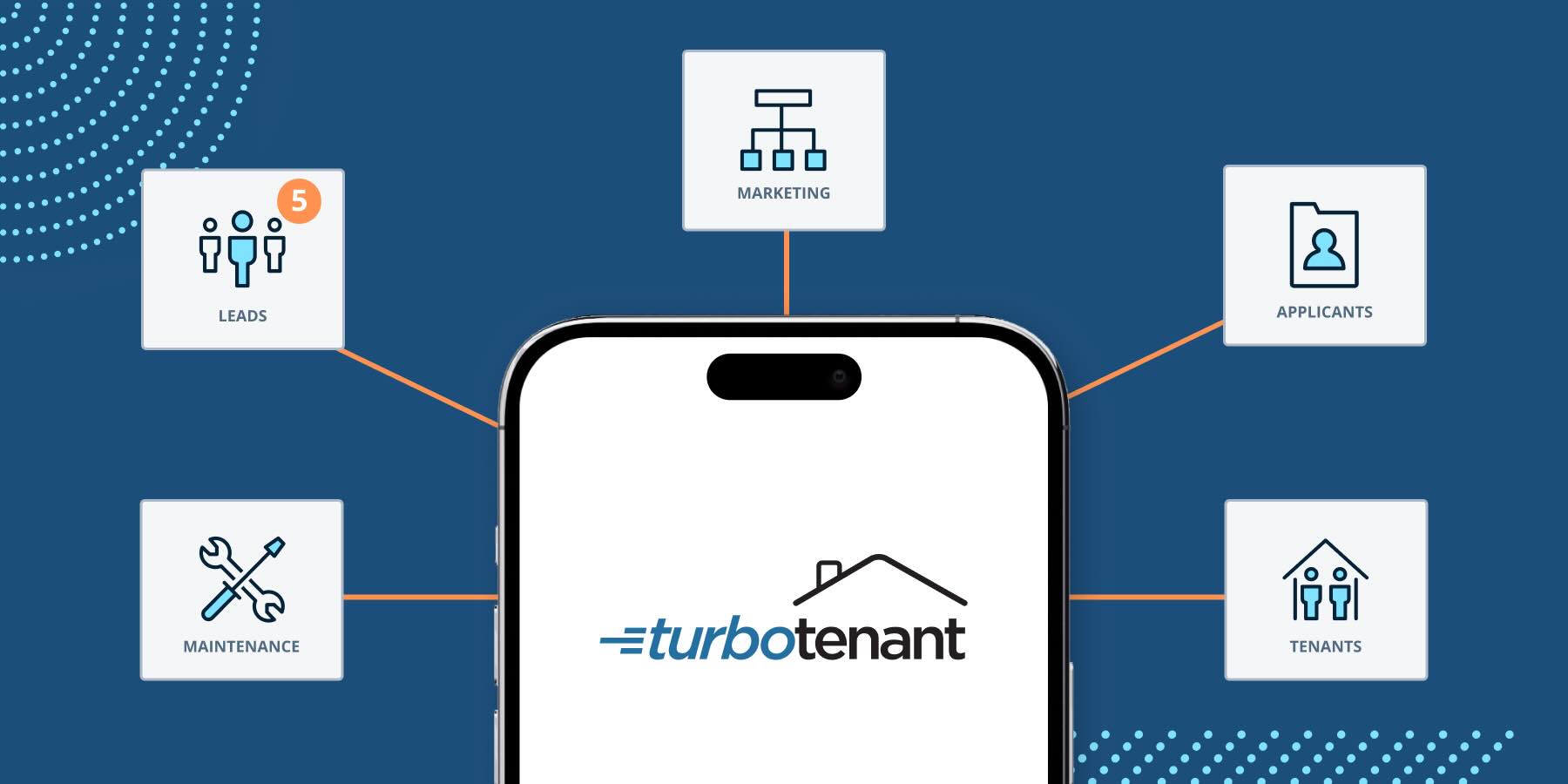
Learning how to be a landlord in Michigan may seem challenging. With some help from TurboTenant, you can breeze through even the most complicated parts of operating a rental property. With features like online rent collection, rental advertising, maintenance assistance, and much more, TurboTenant is ideal for new and experienced landlords.
Our software will even help you comply with relevant rental laws, ensuring your legal compliance with state and federal regulations.
Sign up for a free account today to test drive the product and see firsthand how you can become a successful landlord.