




If you’ve been wondering how to be a landlord in Texas, you’ve come to the right place. Maybe you inherited a property you don’t want to sell, or perhaps it’s been a long-time dream to build a portfolio of rental units.
You may want to rent a room in your home for extra cash. Whatever your reasons, becoming a landlord is easy, as long as you have the right tools and knowledge.
In this guide, we’ll walk through the steps you’ll need to take before you hand over the keys. From doing the necessary research to understanding landlord-tenant law, TurboTenant is here to make sure your landlording experience is smooth and profitable.
A TurboTenant account unlocks comprehensive tenant screening, document storage, expense tracking, and everything else landlords need.
Research The Market
Now that you’re ready to learn how to be a landlord in Texas, it’s time to crack open the books — or web browser. Research the area thoroughly to ensure you’re correctly pricing your rental and complying with all local laws and guidelines. Don’t assume you’re an expert just because you might live in the area.
Researching the rental market means gathering data on things like:
- The current and historic state of the job market
- Population growth over the last few years
- General economic stability of the area
- Ongoing real estate market trends
- Quality of the neighborhood and proximity to transportation, shopping, and entertainment
- General inventory of nearby rental properties
- Average rents for comparable properties
Knowing whether your rental location requires a rental license or inspections before listing the property is essential. Some areas, like San Marcos and Sugar Land, require rental licensing. Be sure to check the local laws in your area. Check out our handy guide on the Best Rental Markets in Texas.
Once you’ve gained a solid knowledge base about the market, it’s time to grab the calculator and run some numbers.
Do Some Math
Whether starting with one unit or building a portfolio, understanding the math behind your investment is critical to finding long-term success as a Texas landlord. The property might be in tip-top shape and move-in ready, or it might need substantial renovation to bring it up to snuff — either way, you’ll need to do the math.
You’ve done the market research, so you might have a good idea of your gross rent based on your comps. But digging deep into the numbers can turn a moderately successful portfolio into a massively profitable machine.
TurboTenant offers landlords a number of powerful calculators to make you a rental math wizard by providing guidance on key figures like:
- Capitalization rate
- Rental yield
- Rental property ROI
- Cashflow calculations
Remember to build in some contingency planning around unplanned maintenance and vacancies that run longer than you’d like. Forecasting for every situation can make a big difference in your annual revenue. Read on to learn more about Texas property taxes.
Read Up On Local Landlord-Tenant Law

Becoming a landlord also means knowing the letter of the law regarding renting out property. That includes reading and following laws like the Federal Fair Housing Act, the Americans with Disabilities Act, the Fair Credit Reporting Act, and the Servicemembers Relief Act, among others. However, beyond federal guidelines, each state also enacts its own regulatory laws such as Texas landlord-tenant laws, which landlords & tenants must adhere to.
Security deposit rules: Texas security deposit law does not limit the amount landlords can charge for security deposits, nor does it require landlords to issue a receipt or pay interest on the deposits. Furthermore, landlords must return the tenant’s funds within 30 days of the lease ending.
Entry requirements: Texas landlords can enter the property as they see fit and are not required to provide advance notice, though a 24-hour warning is common.
Eviction laws: Texas eviction law does not require landlords to give tenants a chance to cure lease violations or unpaid rent. In either case, they can immediately issue a 3-day notice to quit before proceeding through the legal eviction process with the court system.
Rent control: There is no rent control or rent stabilization in Texas.
Lease breaking: Breaking a lease in Texas without penalty can only happen in a few circumstances, like entering active military duty, landlord harassment, domestic violence, or tenant death, among others. If a tenant breaks the lease for a non-qualifying reason, they could be responsible for the remaining rent on the lease term or until you fill the now-vacant unit with a new tenant.
Use Property Management Software

Learning how to be a landlord in Texas isn’t just about knowing the law. It’s really about the day-to-day operation of renting out your properties, which can quickly become overwhelming, no matter how many properties you own.
Property management software, like TurboTenant, can be massively helpful to landlords and become a valuable tool in their arsenal. With a competent software platform, you can centralize your landlord work in one easy-to-use dashboard, saving you time and money when you need it most. It can also help you securely store documents, enhance communication between you and your tenant, and ensure compliance at all times.
Use a Legally Compliant Lease
A Texas residential lease agreement serves as the guiding light in property rental, providing landlords and tenants with a roadmap for the rental term. Eschewing a written lease or grabbing a random one from the internet is far too risky and could lead to serious issues.
TurboTenant offers a database of legally reviewed lease agreement templates for all 50 states, which landlords can download and customize. With a modest upgrade from the free account, you can get unlimited leases and the ability to e-sign for even more convenience and time savings.
Market Your Property
What good is a rental property if no one knows it’s there, right? Marketing your rental unit to reach as many qualified renters as possible is a key component of becoming a successful landlord in Texas.
Create a unique ad that stands out from the rest. Make sure your language and marketing copy comply with the Fair Housing Act. Use attractive photos that highlight the property’s best features and amenities, or showcase its special features. You can even use TurboTenant to build your listings with our AI tool and then blast the listing out to dozens of syndicated listing sites directly from the platform.
Collect Rental Applications Digitally
Never print another rental application again with TurboTenant. Online applications are one of the easiest and best ways to collect critical information about potential renters while avoiding having to sift through endless stacks of paper to find the one you like the most.
From our secure platform, you can easily send applicants links to the online application, allowing them to complete the form on their preferred device, whether it’s a phone or laptop. Once you’ve received them, a digital application makes it easy to make quick, side-by-side comparisons and then move directly into the screening process once you’ve identified the best candidates.
Screen Tenants Thoroughly
A solid and thorough tenant screening process is a great way to ensure you’re filling your units with high-quality tenants, and it also gives you some peace of mind. TurboTenant allows you to screen tenants to check their criminal history, rental history, and evictions (TurboTenant checks over 27 million records!), as well as financial information, such as credit score and lines of credit, and even income analysis if you choose to upgrade. The background check cost is typically passed on to the tenant and is a vital tool for landlords of all kinds.
To avoid FHA violations, you must use consistent screening criteria for every applicant. Texas law requires landlords to give all applicants a written copy of their selection criteria before accepting the application fee.
Lock Down Maintenance Requests
By using a comprehensive platform like TurboTenant, landlords can easily streamline and organize maintenance requests directly within the dashboard. Tenants can submit maintenance requests directly from their mobile app.
With this feature, you centralize your maintenance requests across all properties for easy tracking.
Collect Rent Online
Collecting rent from your tenants is arguably the most important part of learning how to be a landlord in Texas. Once upon a time, landlords had to go door-to-door to collect rent checks or wait for them to arrive in the mail. But why wait? With TurboTenant, you can collect rent online, which is far easier and time-saving than the alternative.
TurboTenant allows your tenants to set up autopay, ensuring funds are automatically deposited into your account when rent is due. You can also set up automated rent reminders and instruct the platform to assign late fees to a tenant’s account once the payment is overdue. It’s also incredibly easy to track who’s on time and who’s late, as payments update instantly within the platform.
Streamline Rental Property Accounting
Now that you’ve come this far, don’t let your hard work go to waste by choosing a clunky and inefficient accounting solution to keep track of your cash flow and expenses. While QuickBooks is a general industry standard for accounting, it requires considerable customization to optimize it for rental accounting.
TurboTenant accounting features a robust suite of accounting tools that enable you to easily track revenues, generate reports, and do so on a per-property basis. All of this directly connects to your bank accounts. Keeping everything in one place also makes it much easier to wrangle all of your financial data when tax time rolls around, making a normally frustrating time of year a breeze.
TurboTenant Makes DIY Landlording Easy
In seeking to learn how to be a landlord in Texas, we’ve covered a lot of ground. Let’s review:
- Do your research. Understanding how your rental property fits into your local real estate market is crucial to setting the right rent, advertising it effectively, and finding the best tenants.
- Do the math. Utilize your research to optimize your rental price and forecast your annual cash flow to make informed decisions.
- Learn the laws. Navigating federal and state landlord-tenant laws will help you stay legally compliant and keep your tenants satisfied.
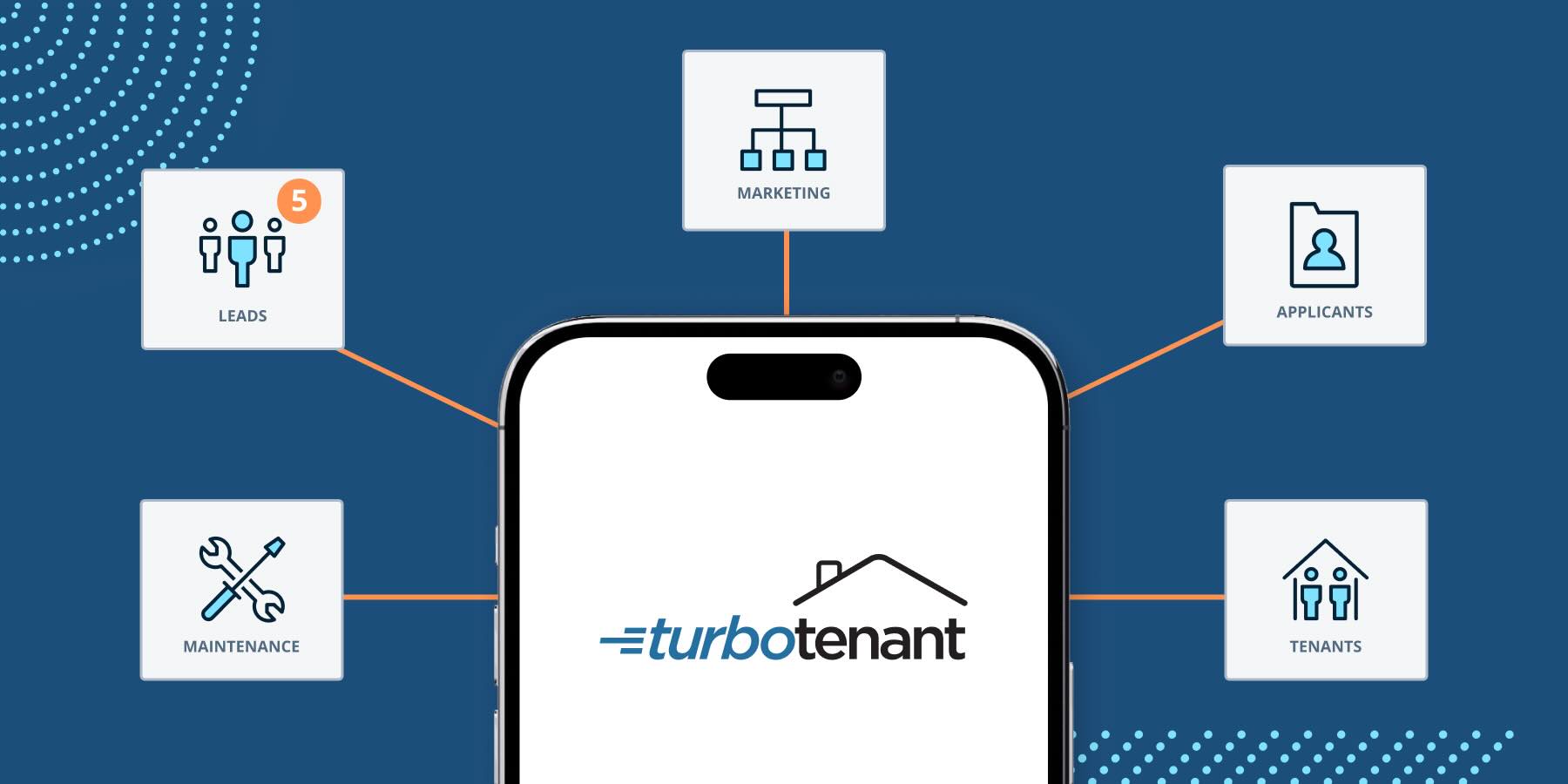
- Use TurboTenant to make your life easier. Property management software will organize and handle your day-to-day landlord duties, saving you time, money, and energy. It gives you access to lease agreement templates, marketing tools, maintenance tracking, and online rent collection.
Now that you’ve learned how to be a landlord in Texas, get out there and make some dough. Sign up today!